

Extremely small
& light.
Traditional VR was heavy. Big optics, big displays, a long list of features piled on. We stripped it back to what mattered and rebuilt it from the ground up around weight and size.
From pioneering the social VR experience to the world’s smallest headset.
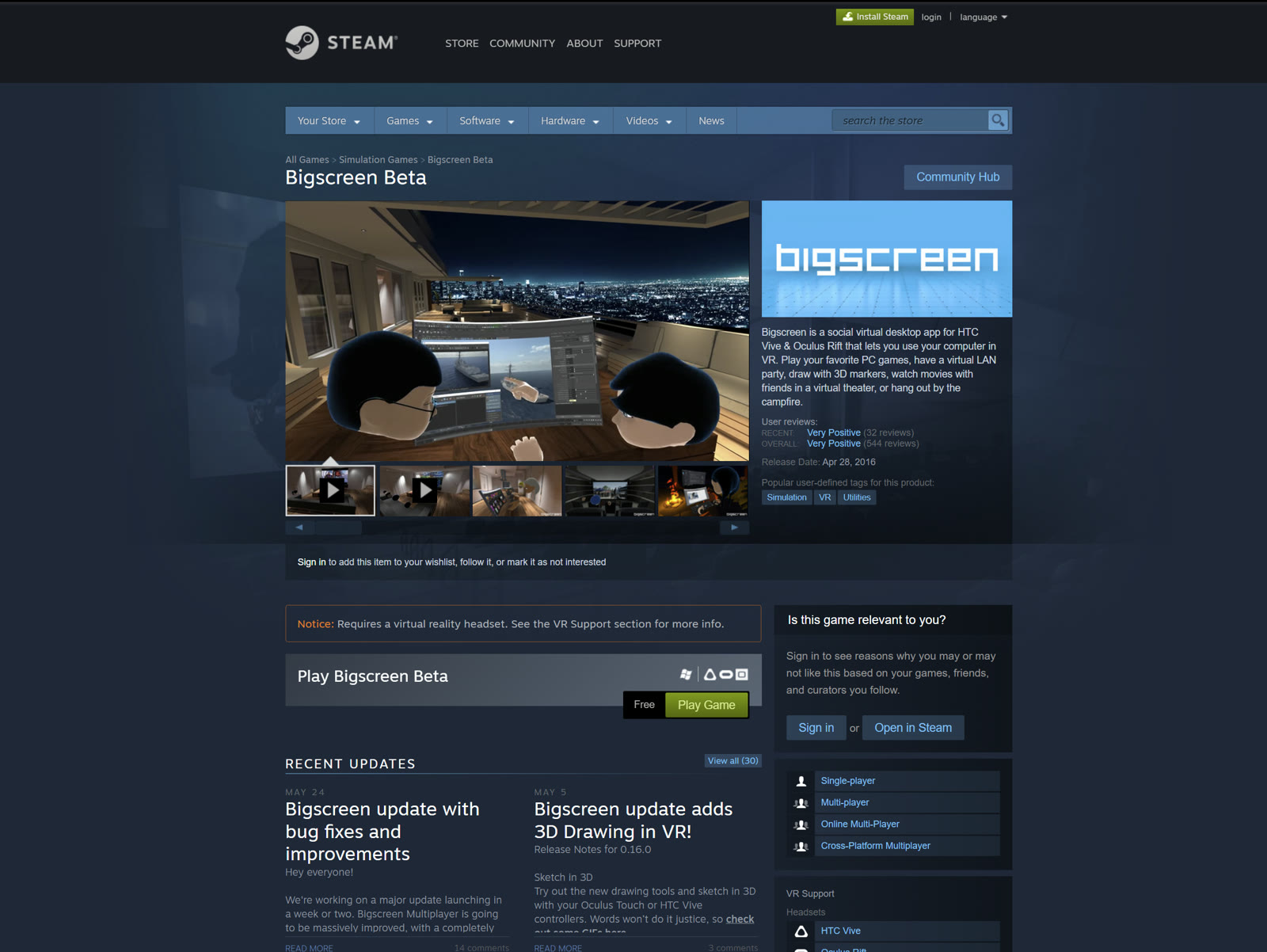
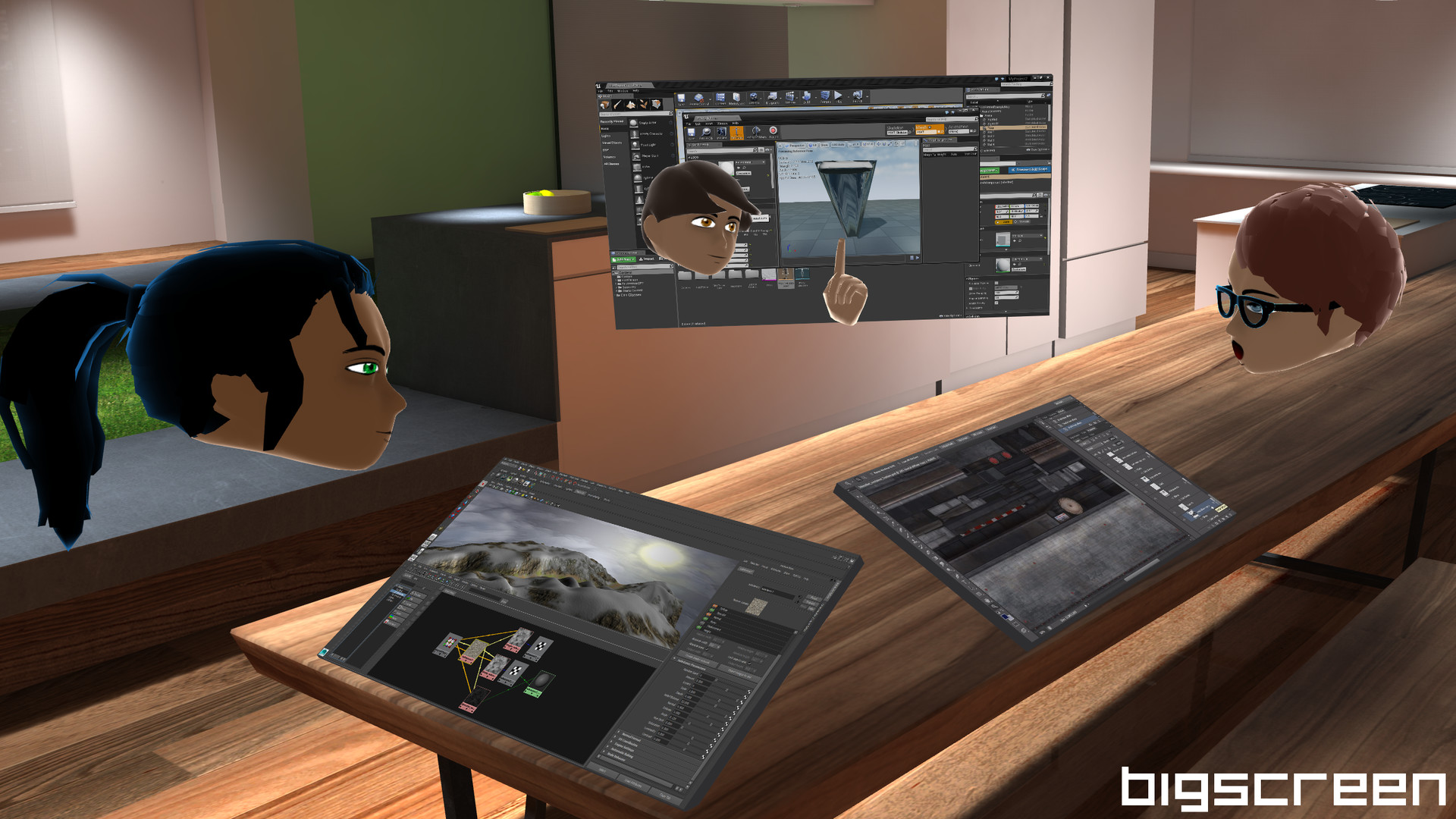
A free VR app that put your entire PC desktop, and your friends, inside virtual reality.
After 2 years of development, Bigscreen launched on the Oculus Rift and HTC Vive in 2016 as the first social desktop in VR. From inside a headset, users could use their computer in VR with virtual screens, share their screen with friends across the world, watch movies together, and play PC games on wall-sized displays. Within minutes of going live, hundreds of concurrent users joined and Bigscreen immediately became one of the most popular VR applications and social VR spaces in the VR industry.
Fuel for the vision.
Elite Silicon Valley investors Andreessen Horowitz and True Ventures backed Bigscreen’s vision for VR in 2016. As the platform grew, they doubled down with a larger investment in 2017. It was proof that VR’s killer app could be a place, not just a game. Their support helped us scale the platform and accelerate our ambitions.


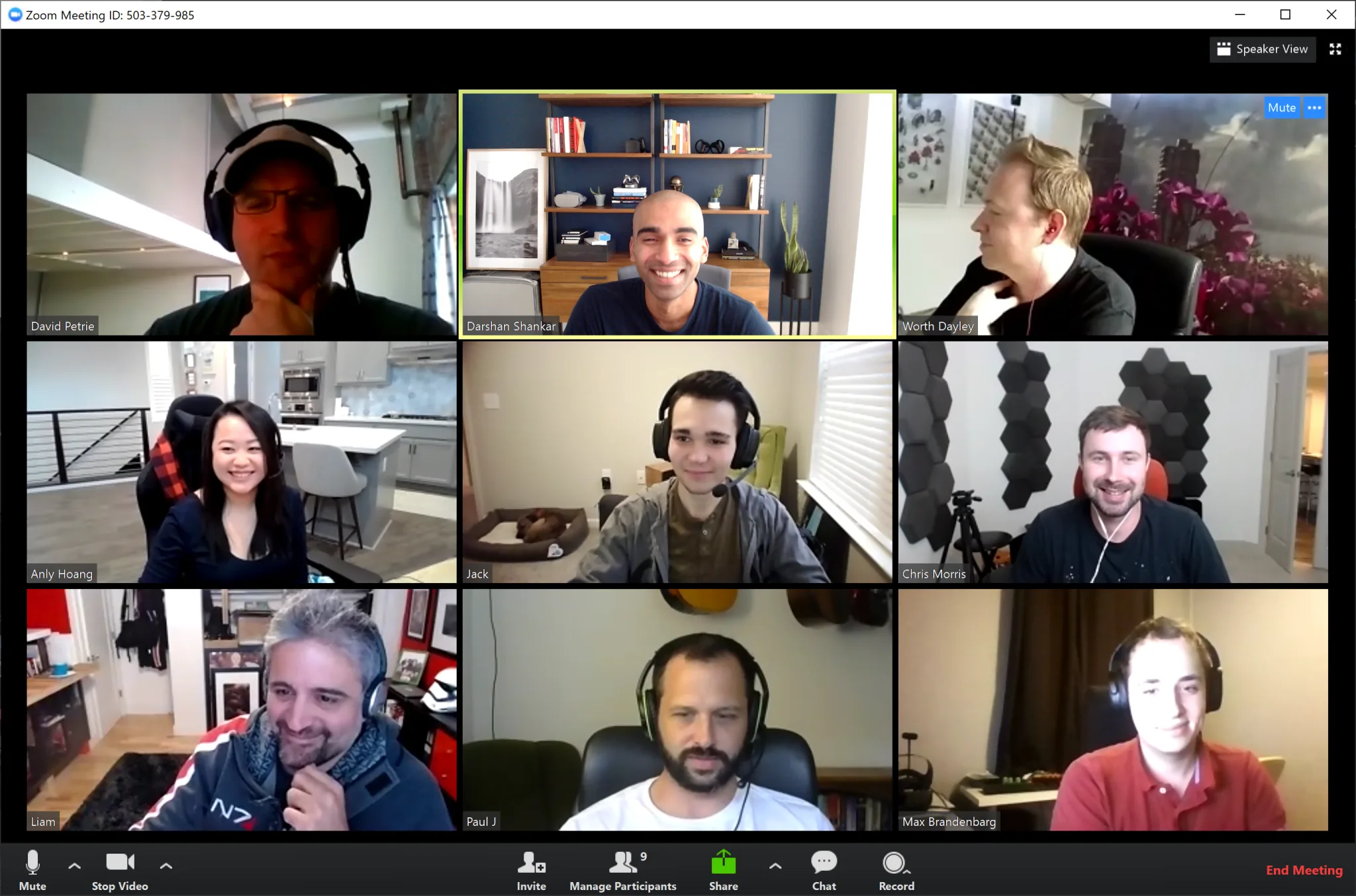
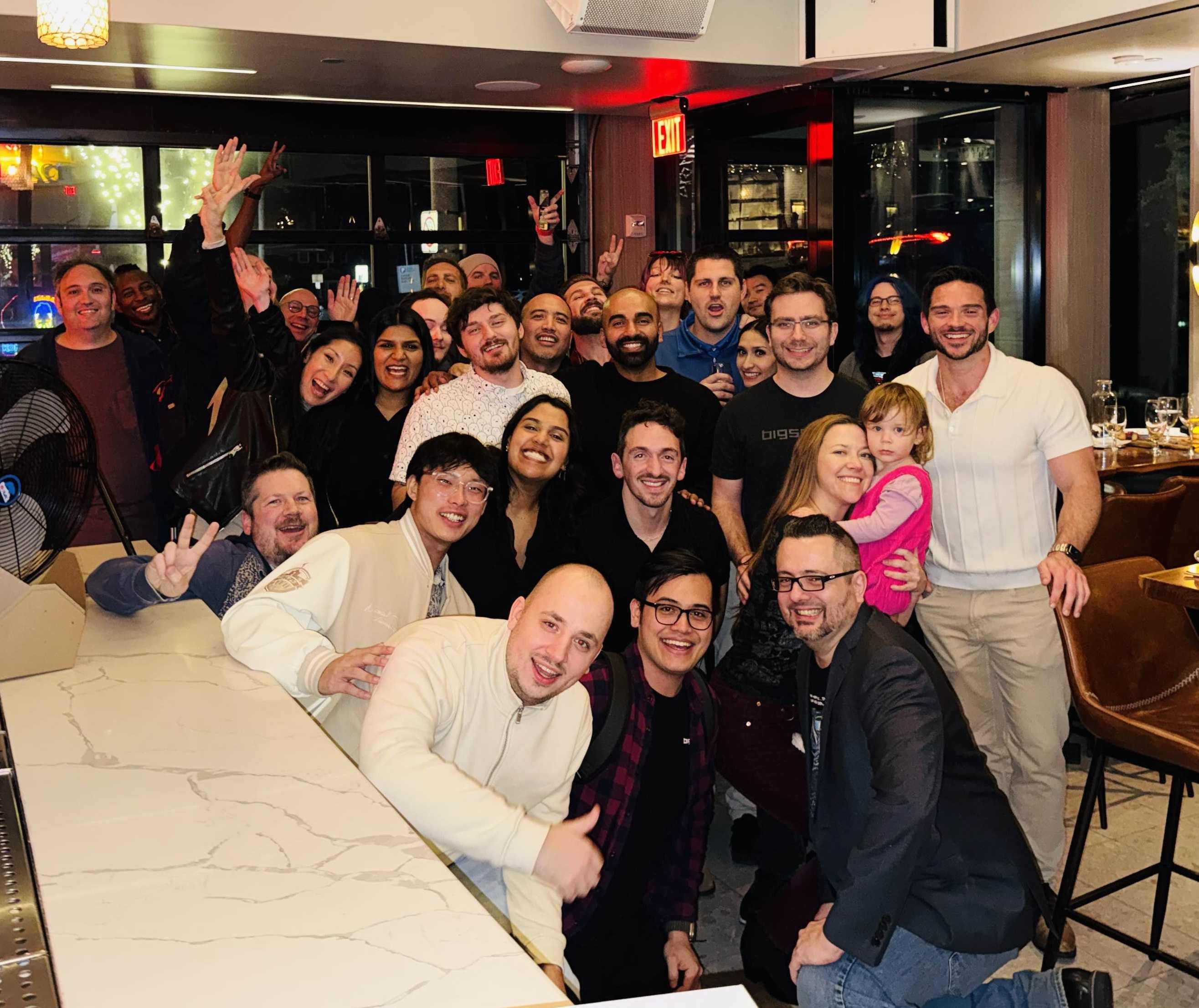
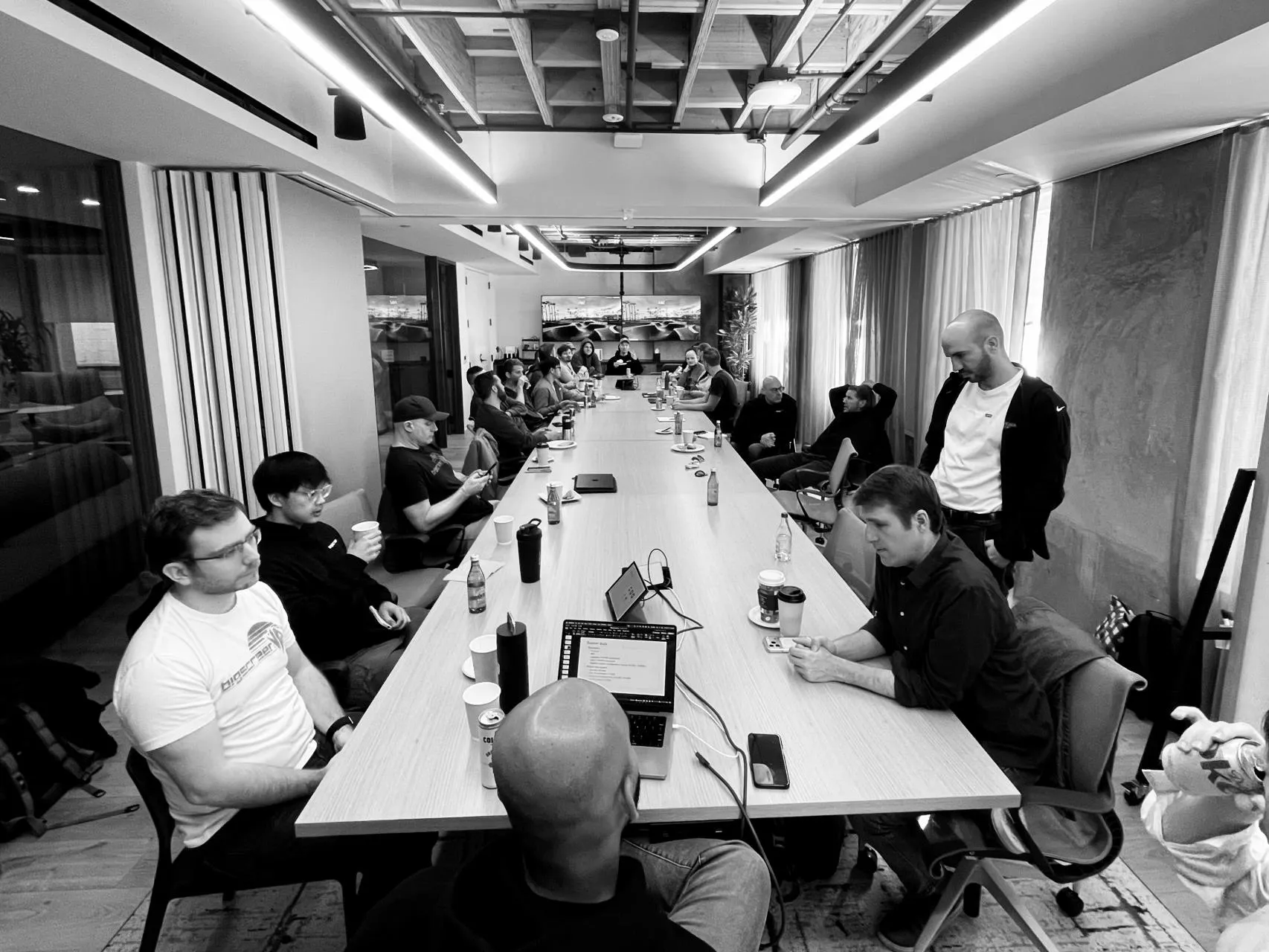
Designers, engineers, and developers from a dozen countries. One Discord server. No office.
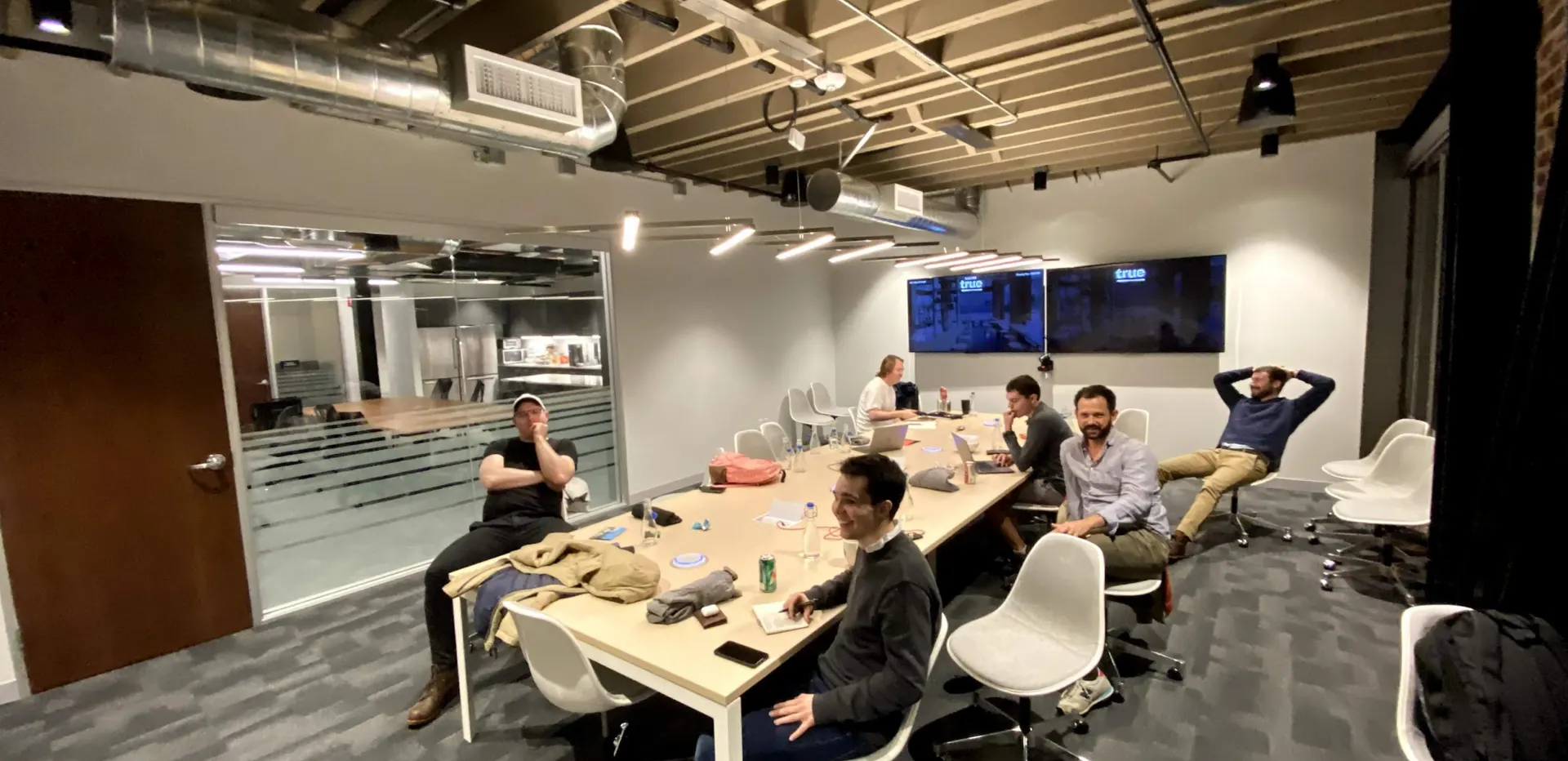
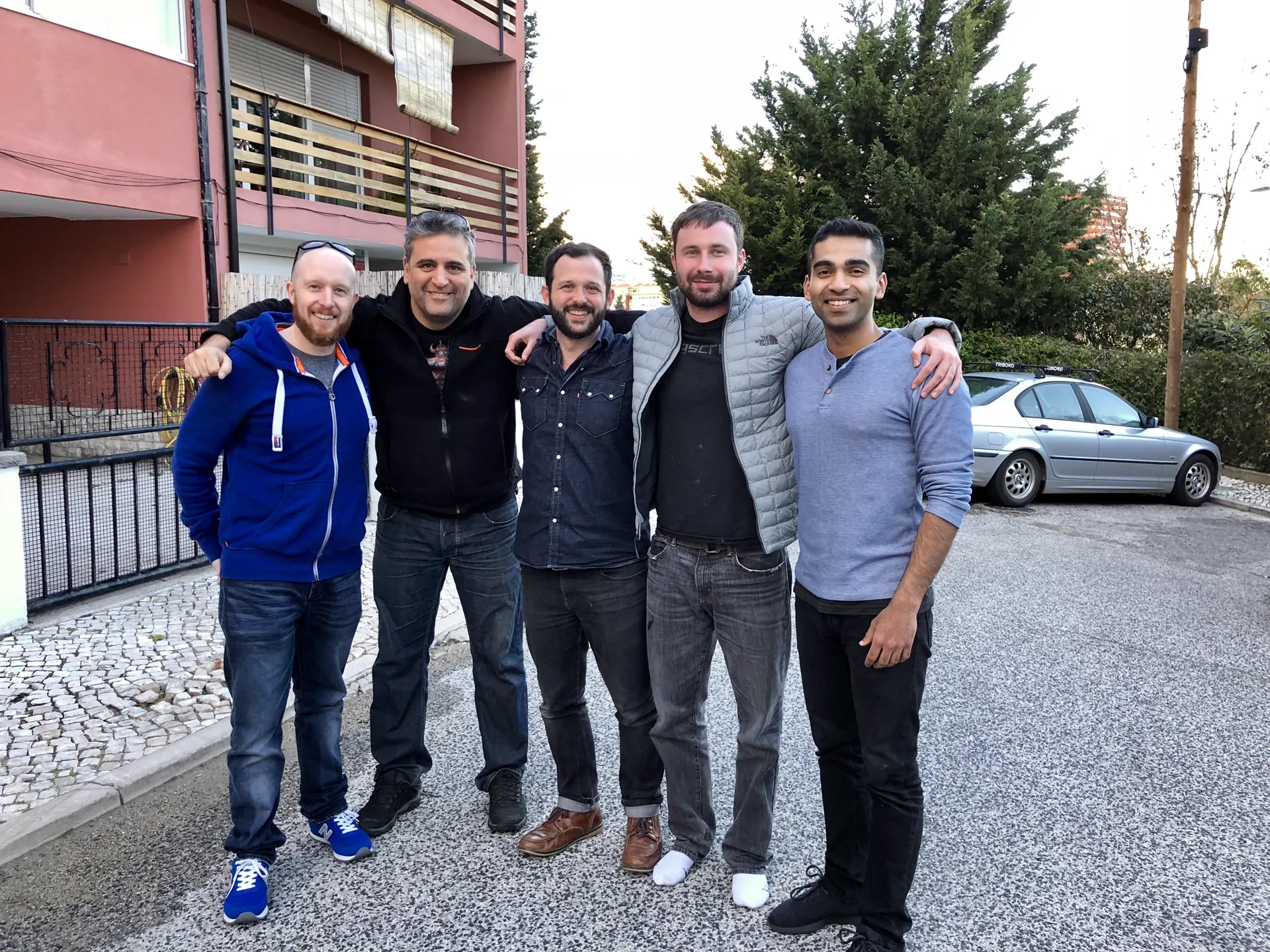
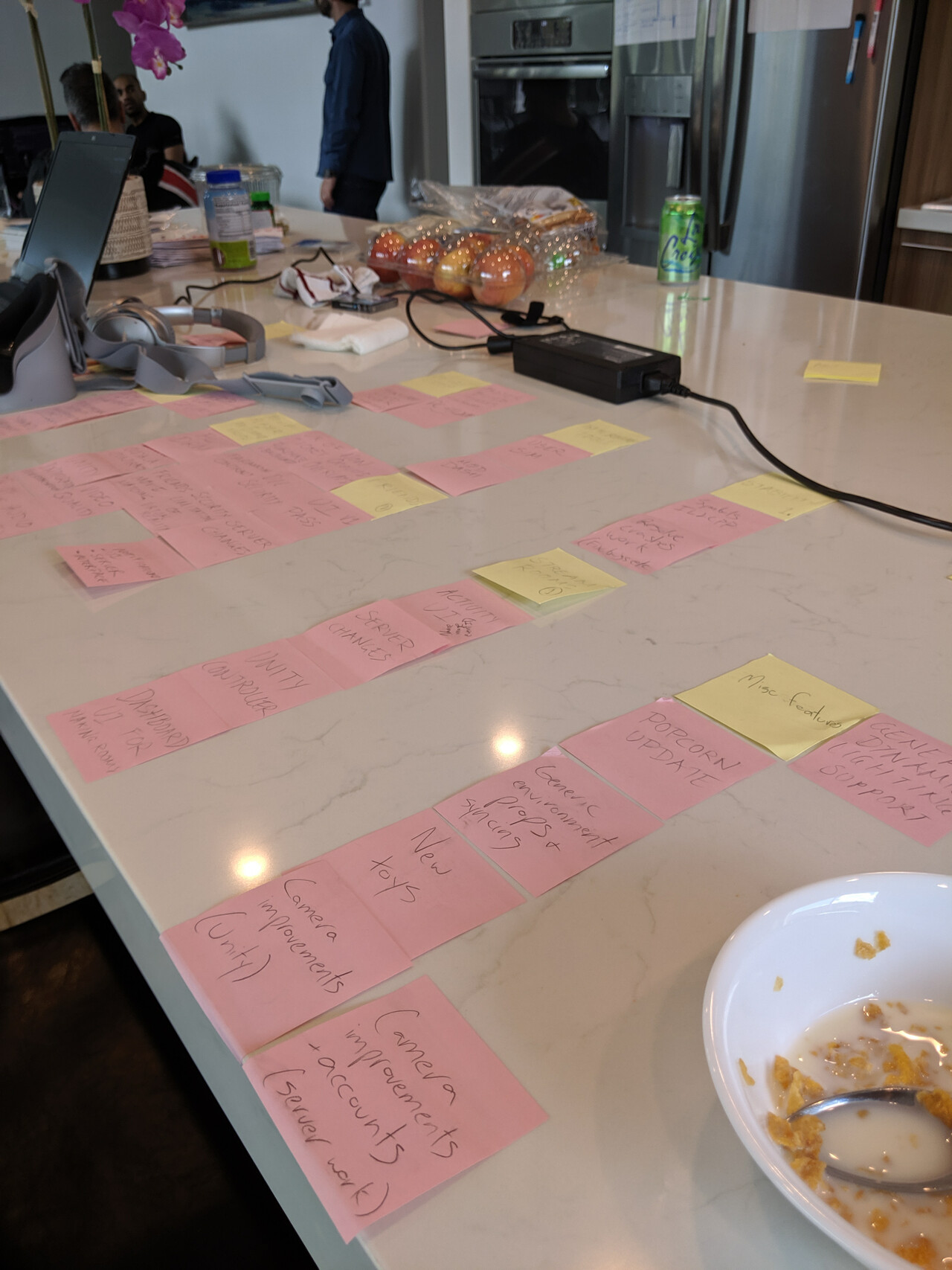
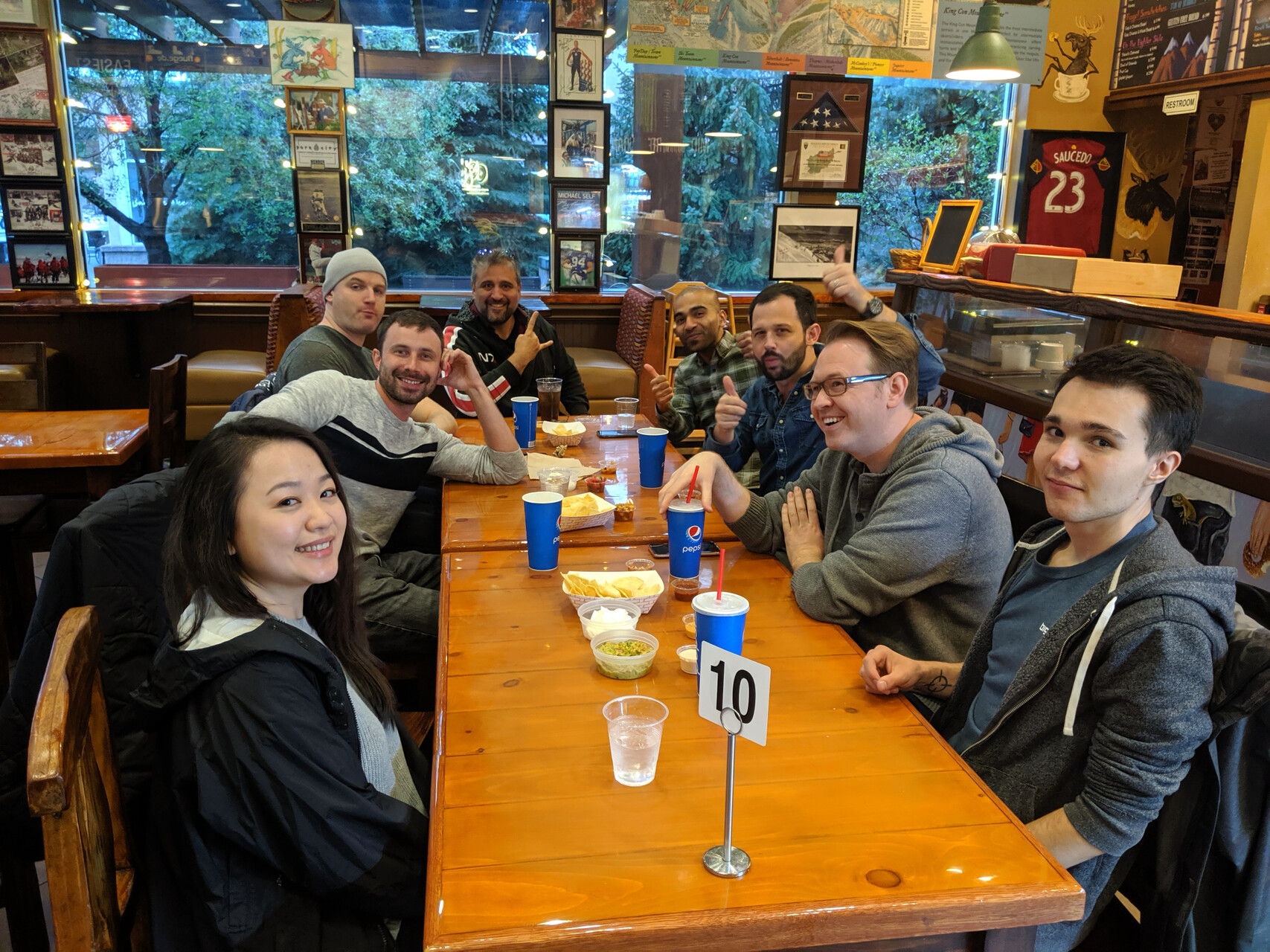
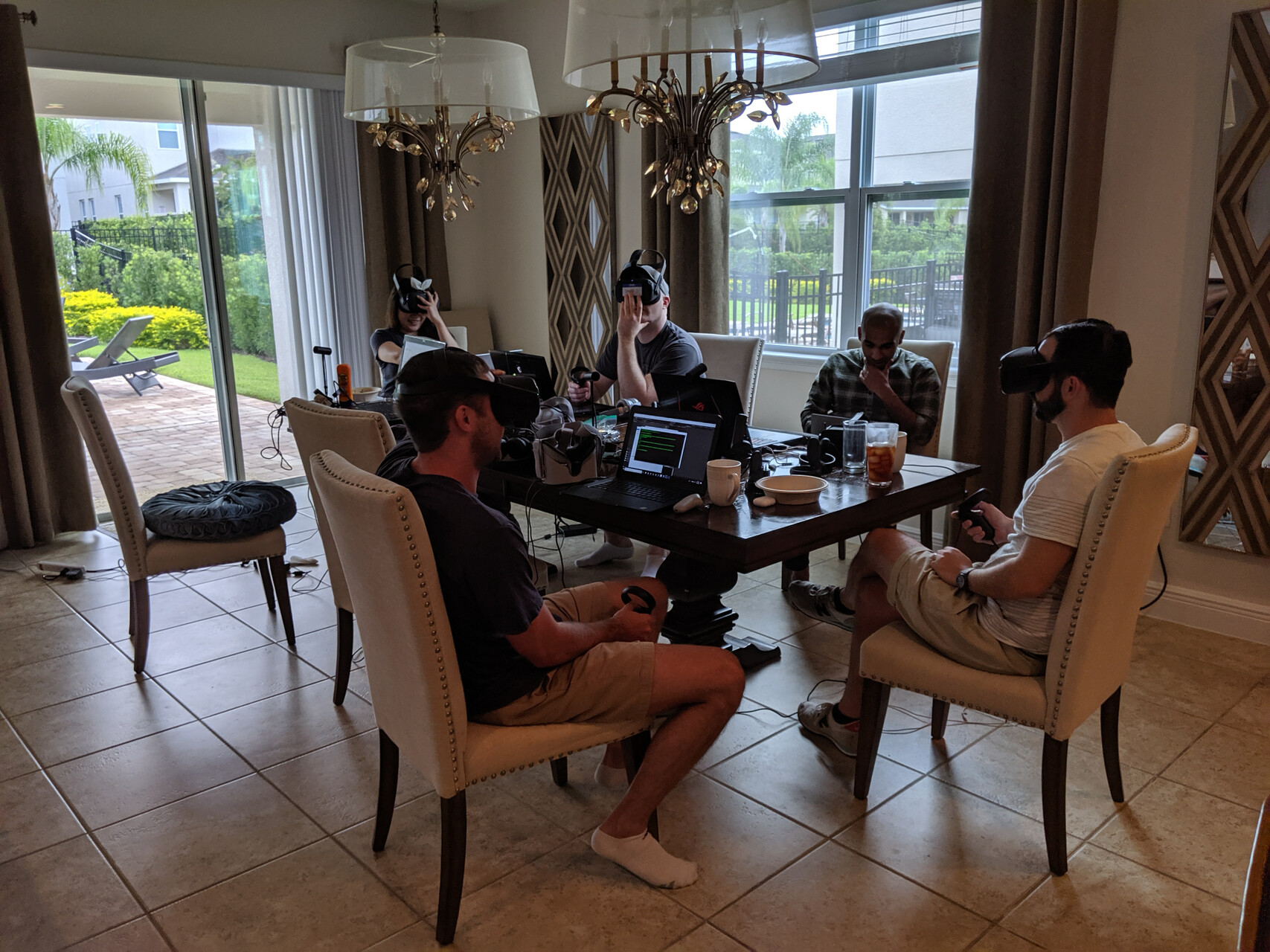
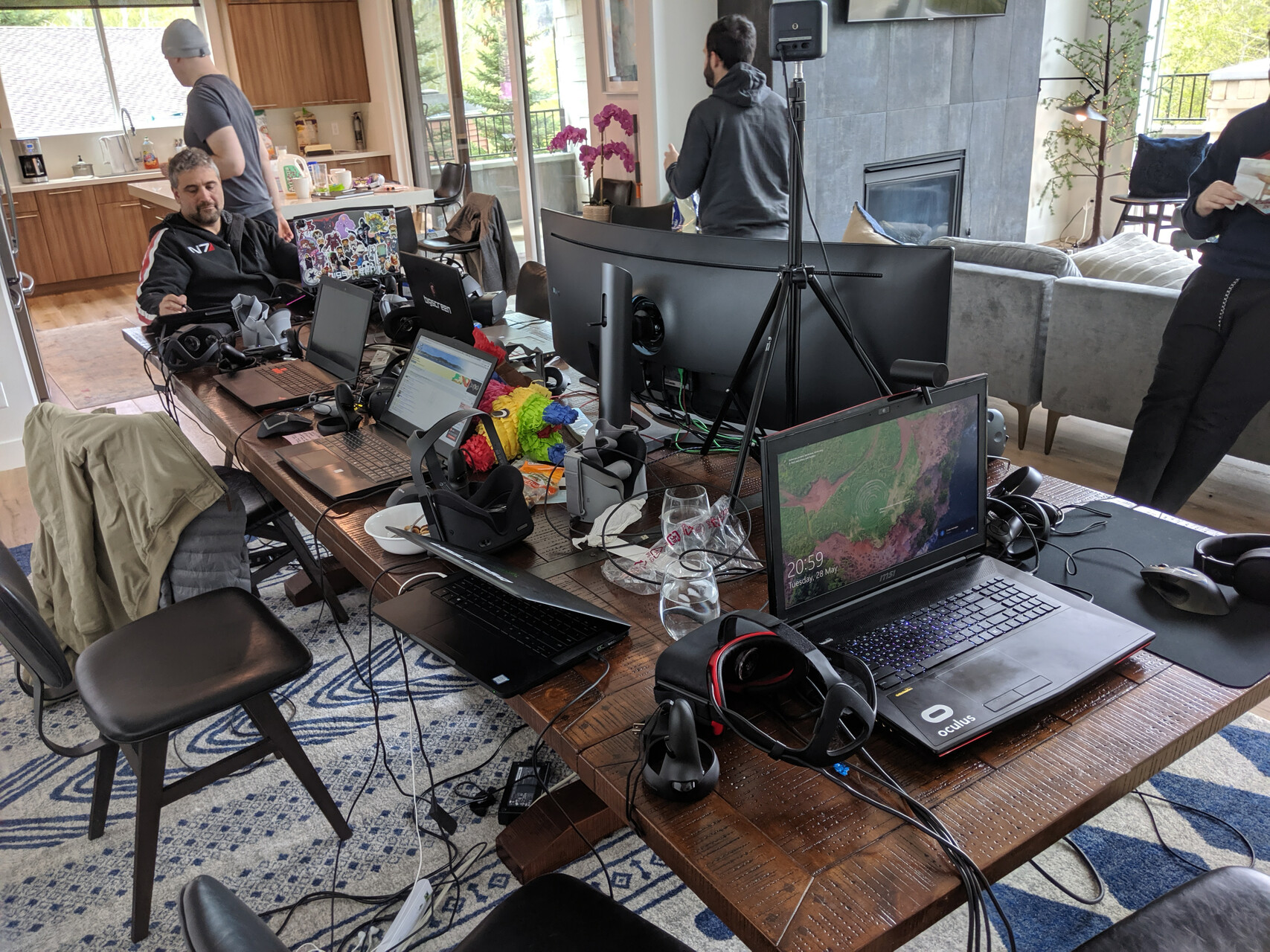
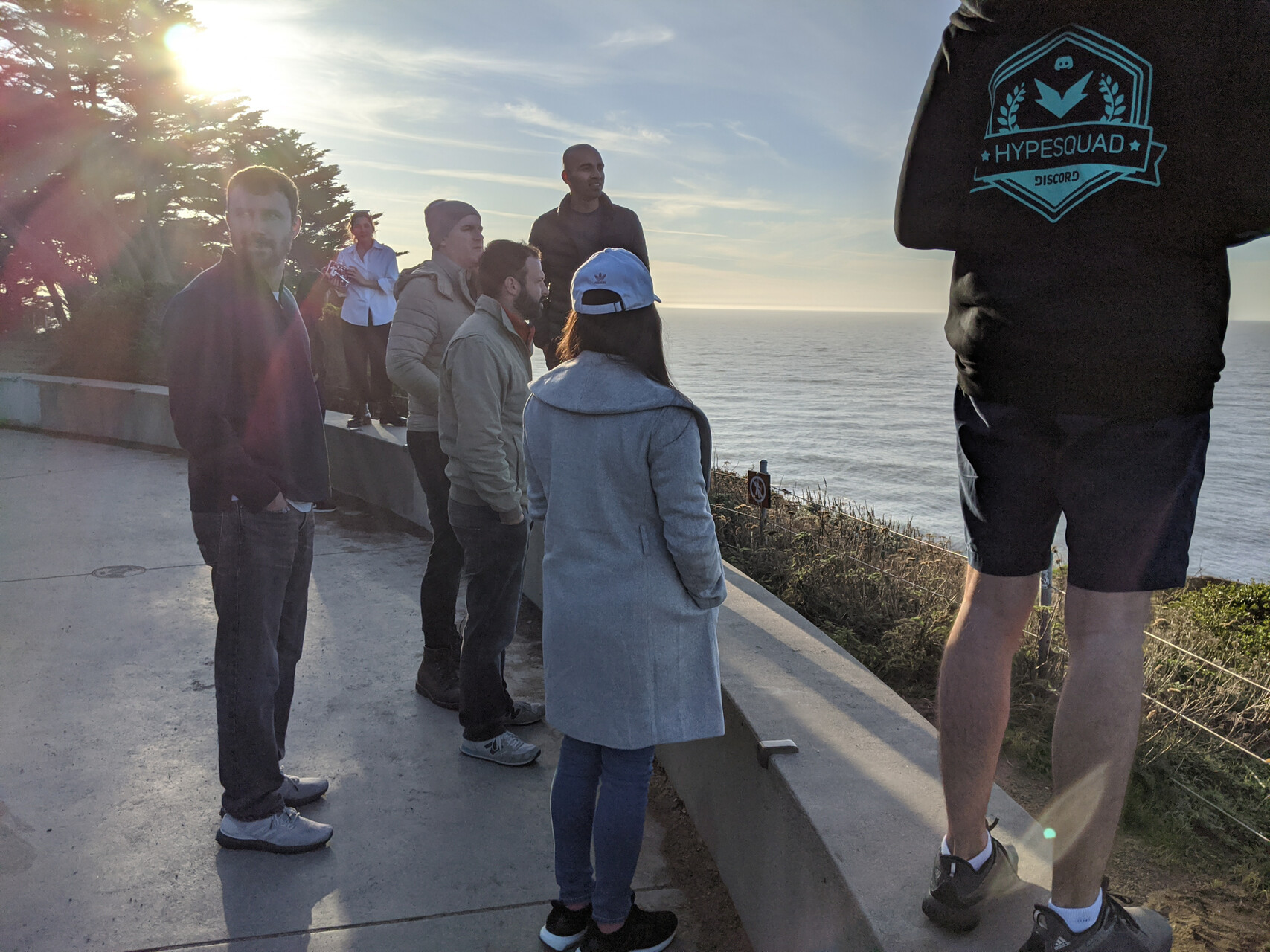
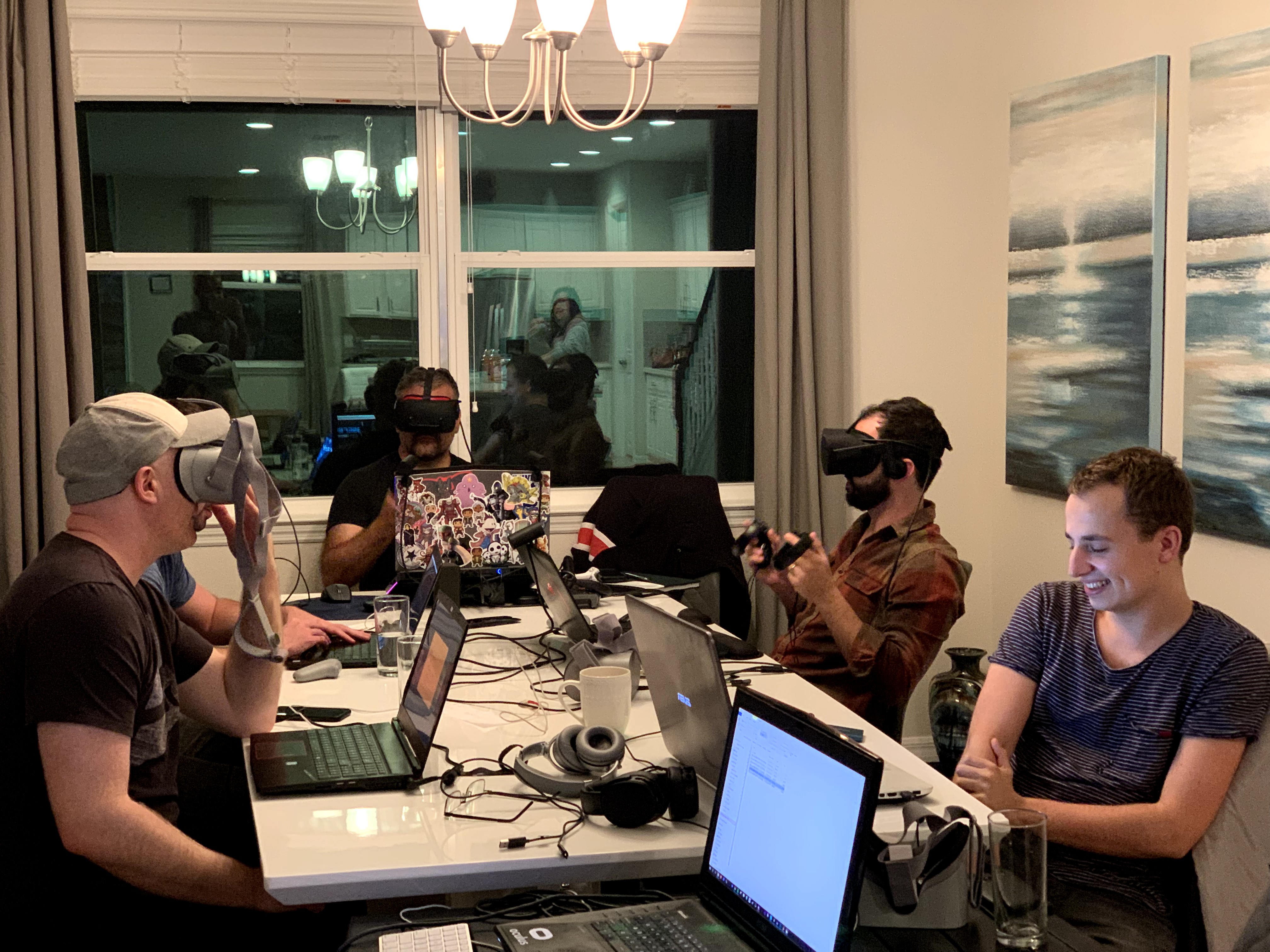
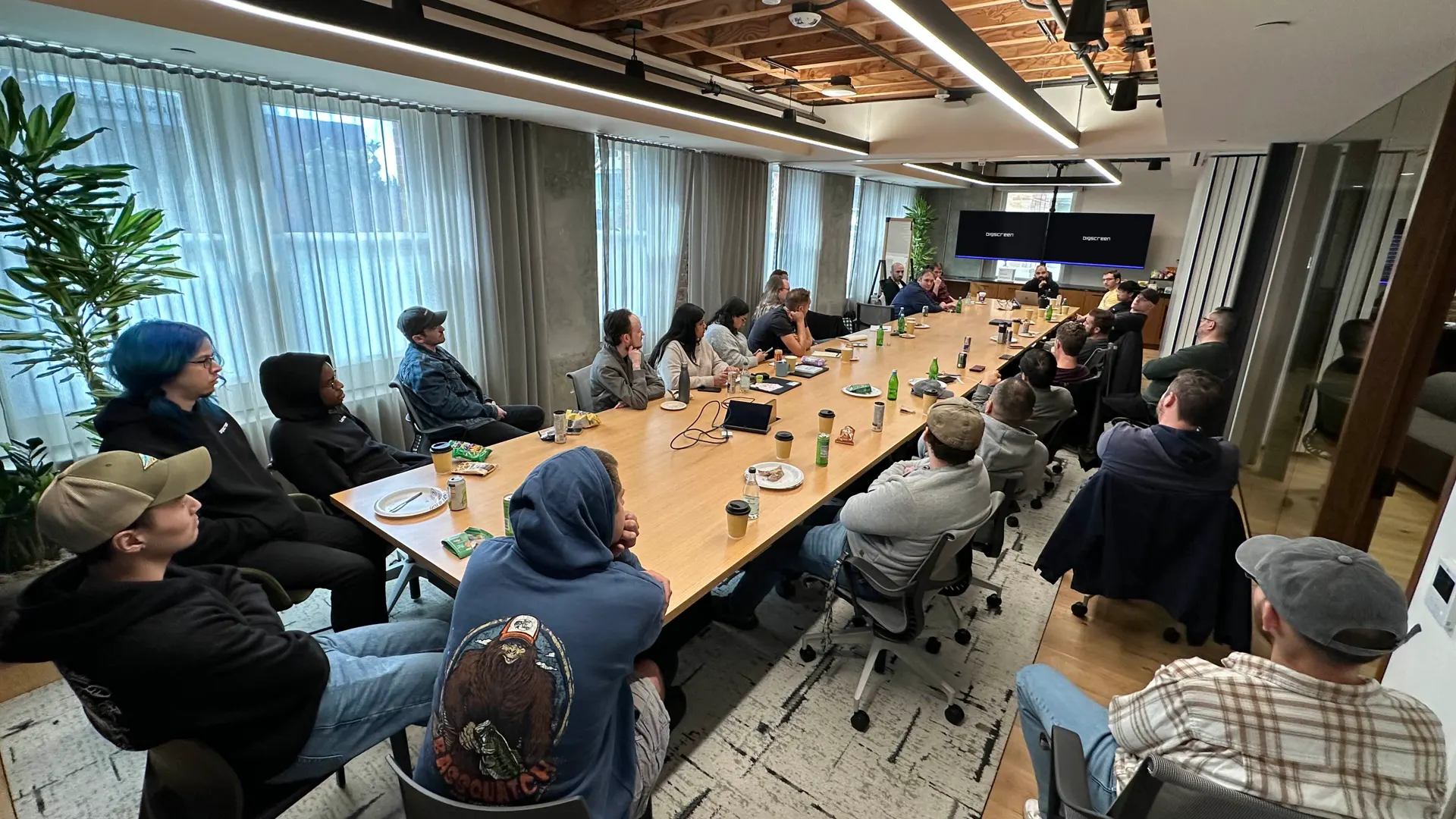
We’ve been remote from day one. The team lived across many time zones and continents, with people signing on with a “good morning” just as others would be going to bed. A few times each year, we’d gather together: an Airbnb in Utah or trip to Disneyworld in Florida. Whiteboards on the walls, prototypes around the dinner table. The rest of the year, we collaborated in our Discord server, building towards a shared vision.
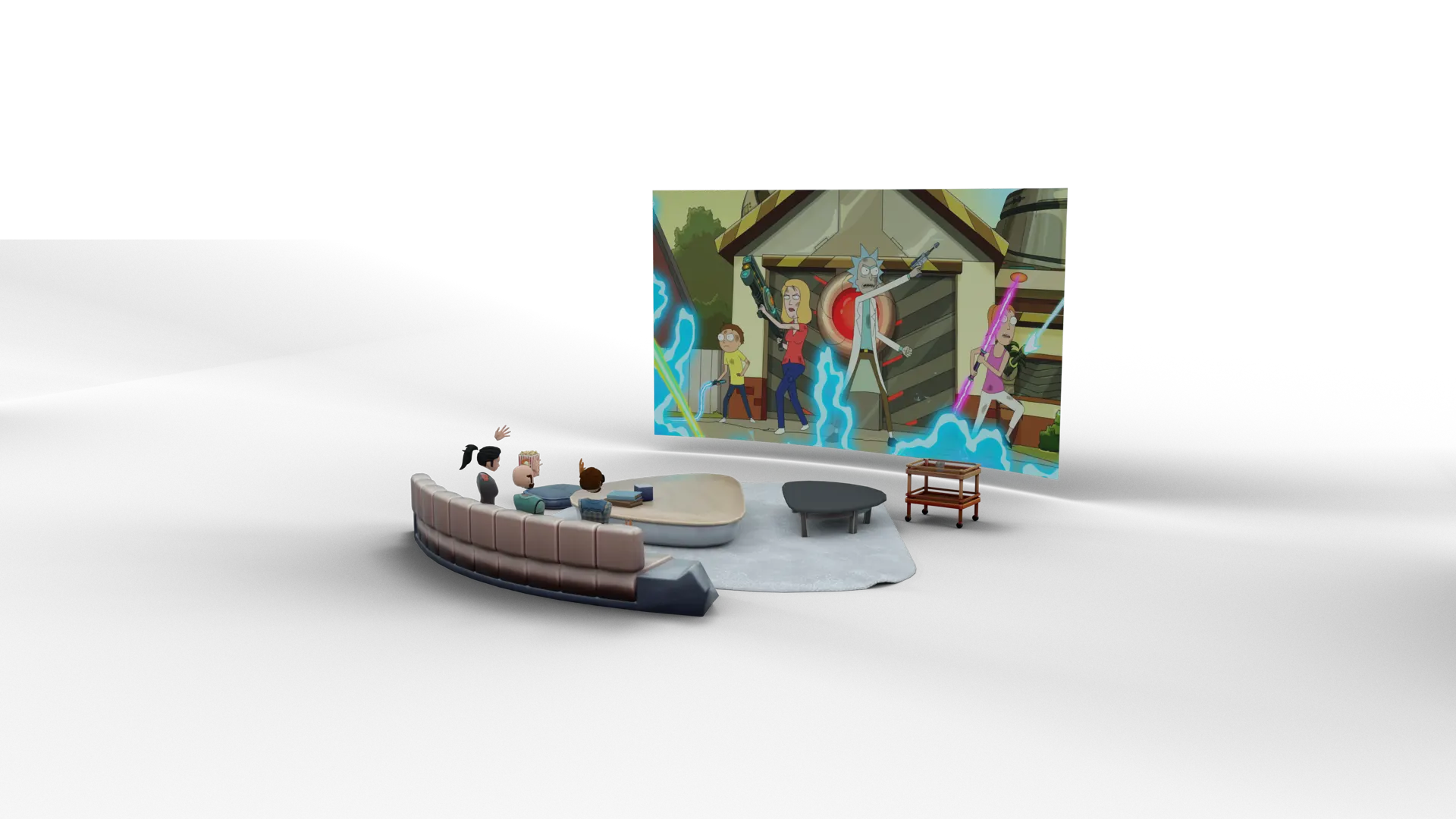
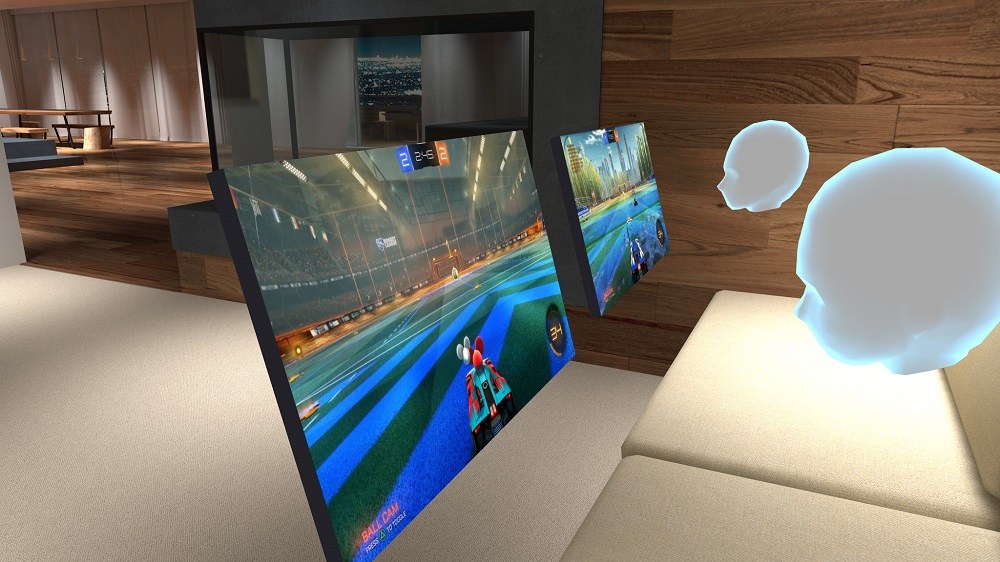
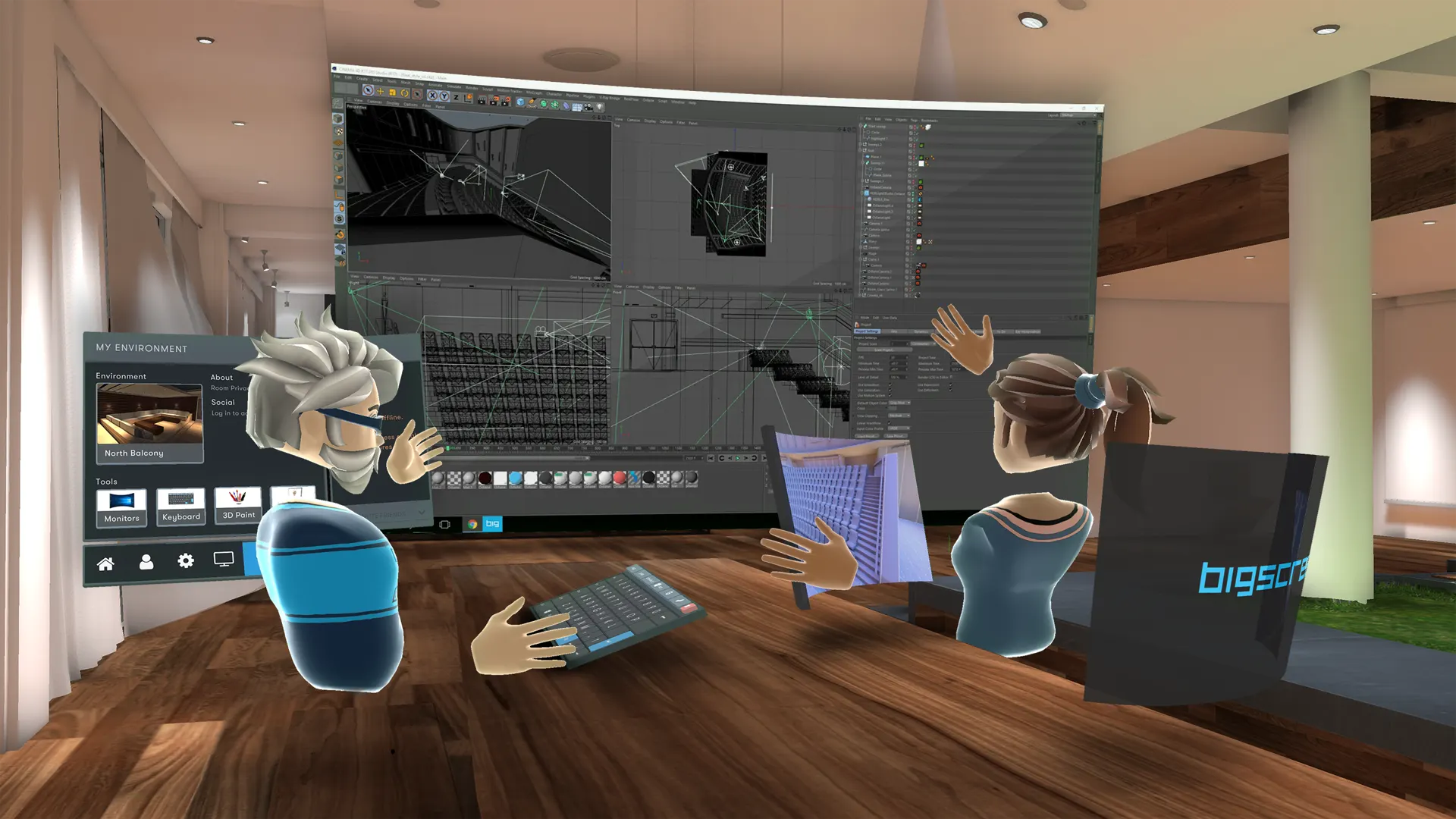
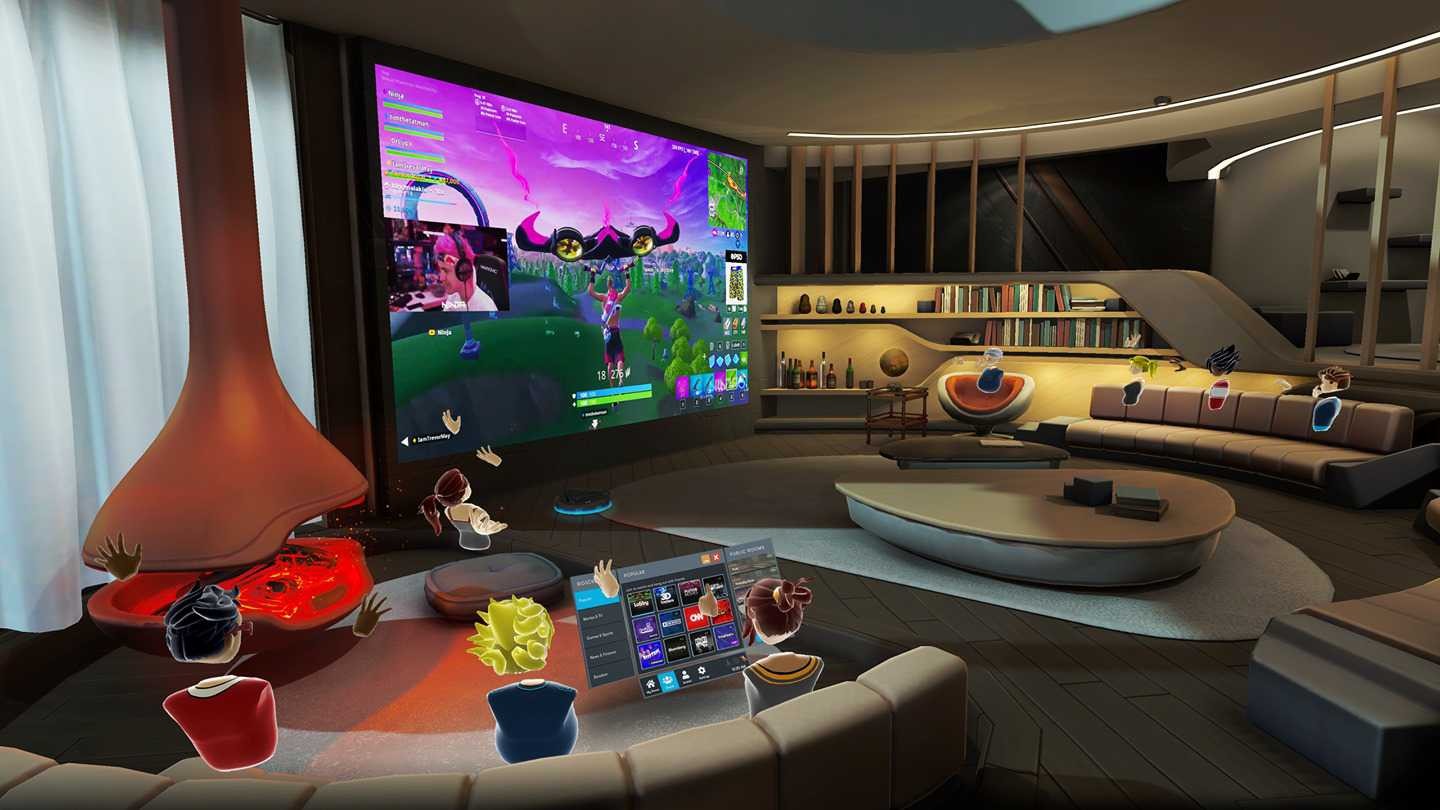
We launched many virtual spaces. Living rooms, lounges, sci-fi theaters, hyper-realistic cinemas. Bigscreen TV brought always-on channels you could leave running in the background. Games filled the lobbies: VR LAN parties, board games on virtual coffee tables, playing Rocket League on a big cinema screen. Public rooms turned strangers into regulars; private ones reunited friends across continents. Live events drew thousands at a time. Power users spent twenty to thirty hours a week here.
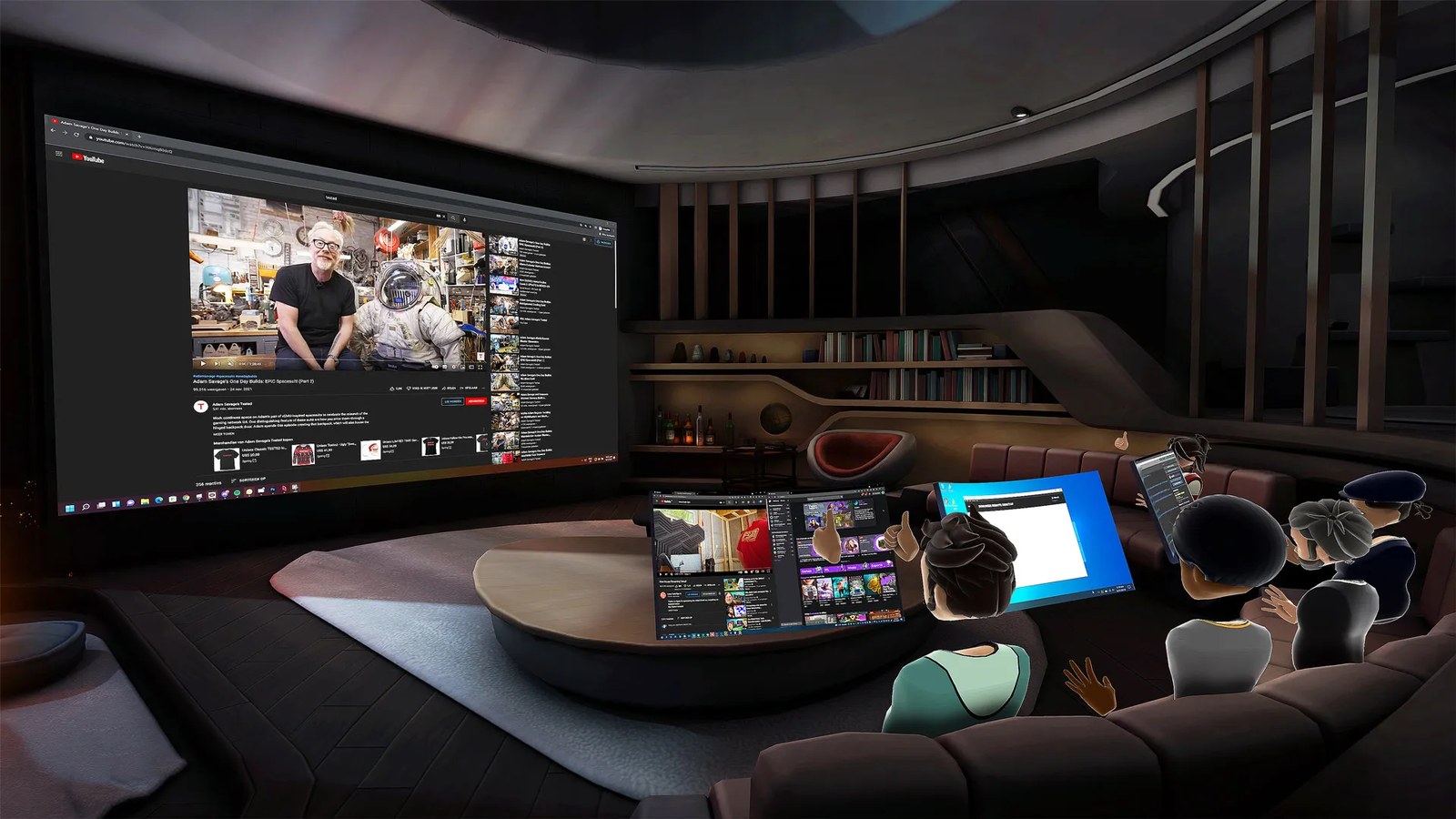
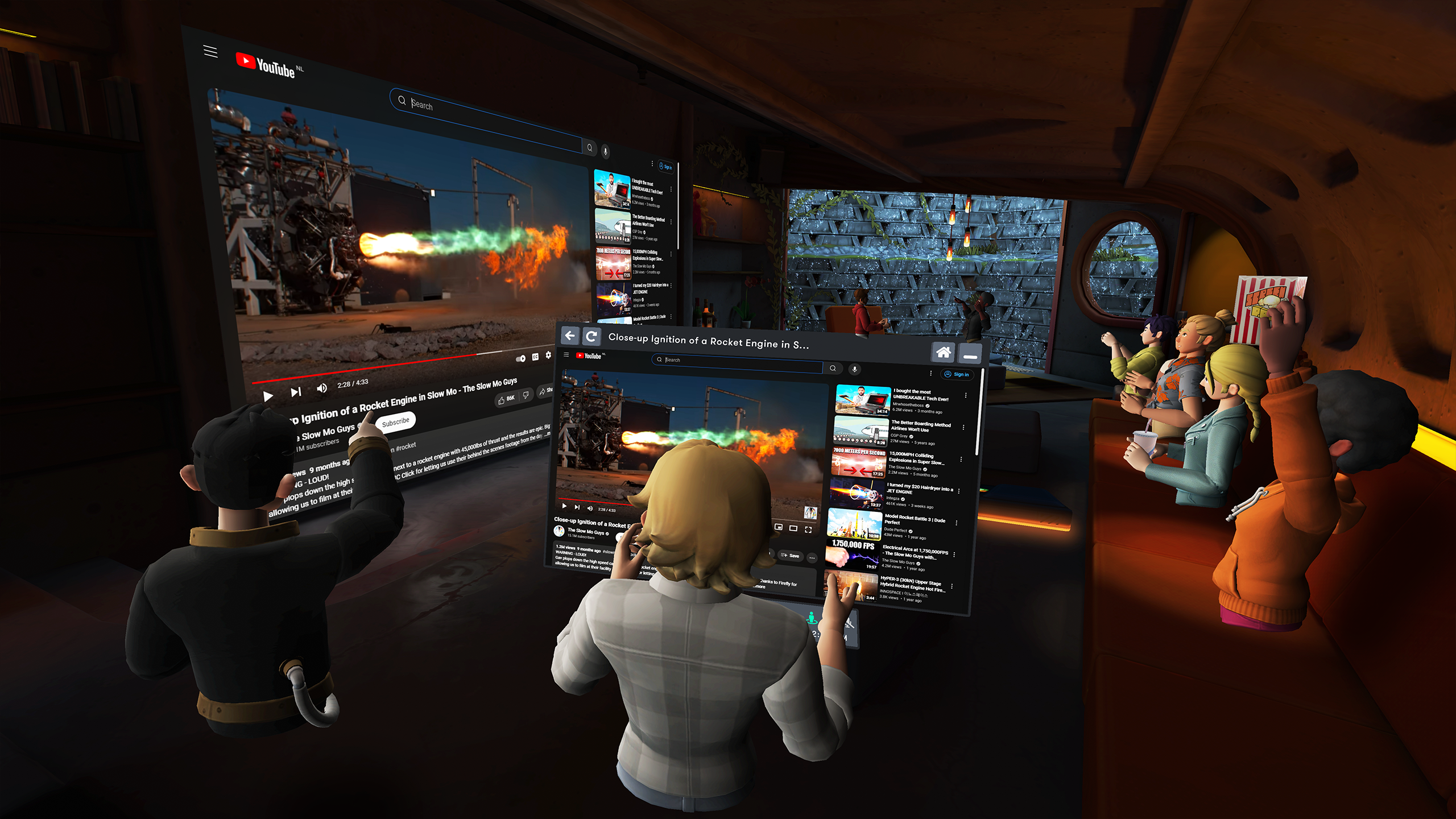
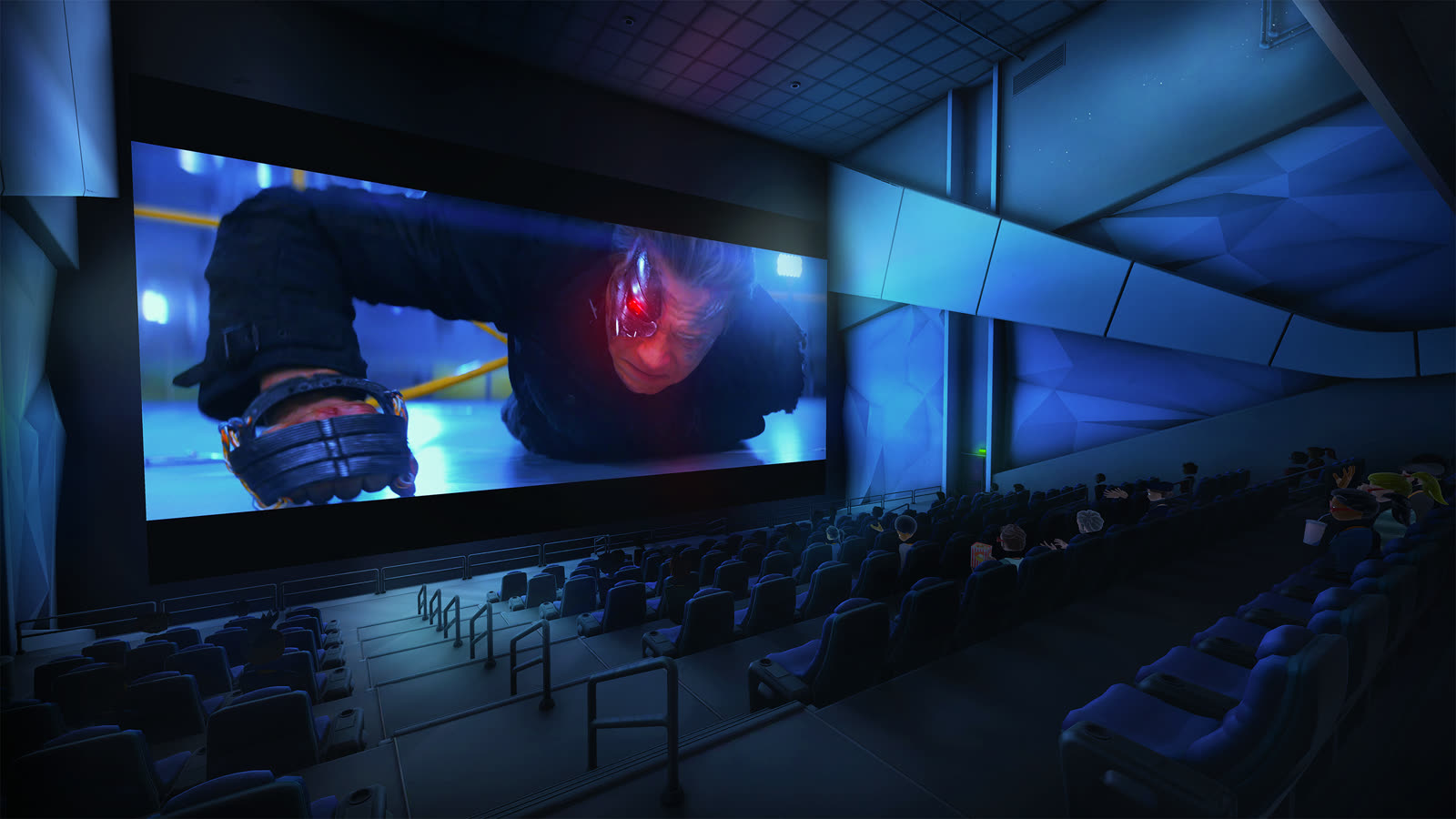
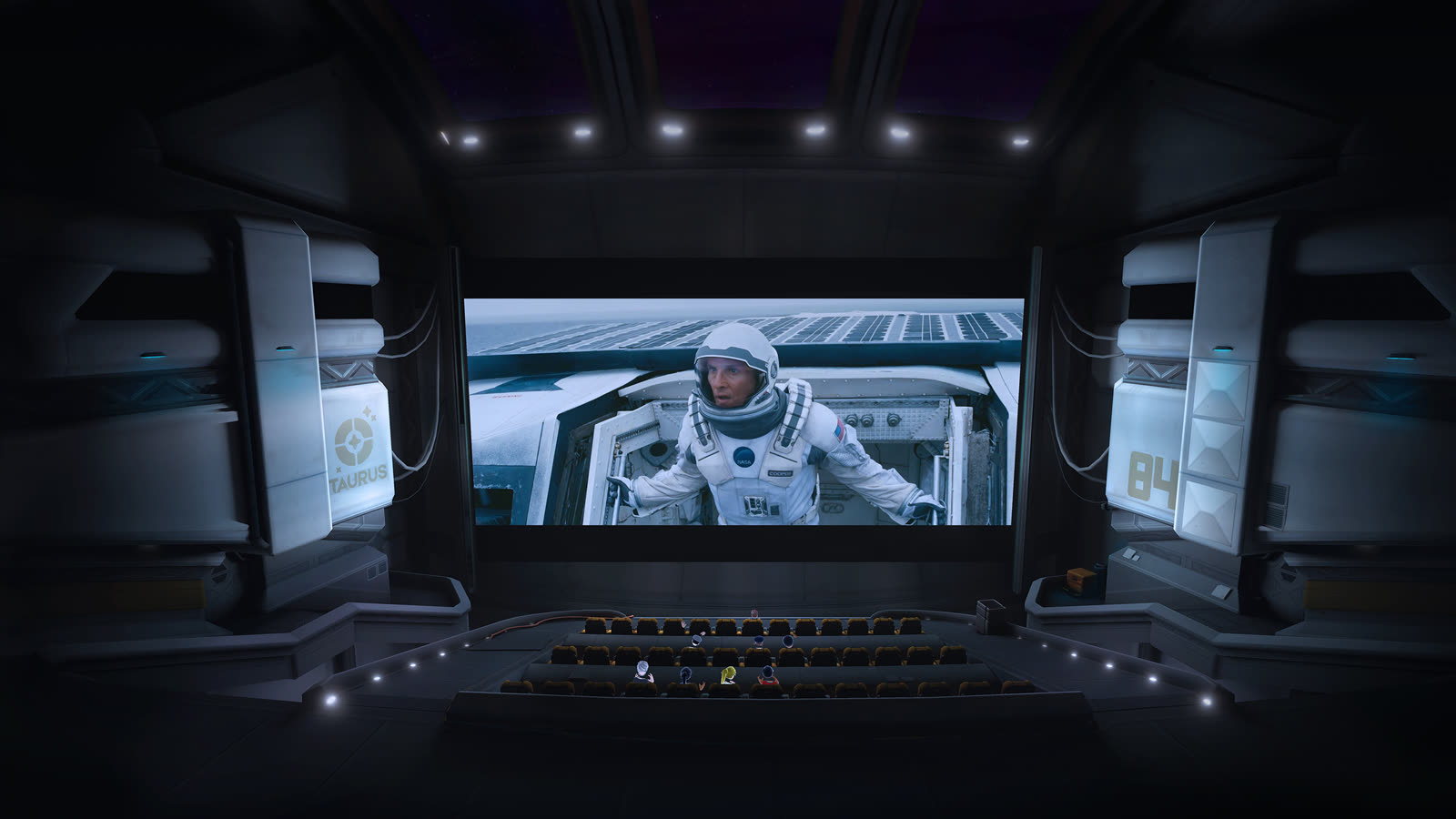
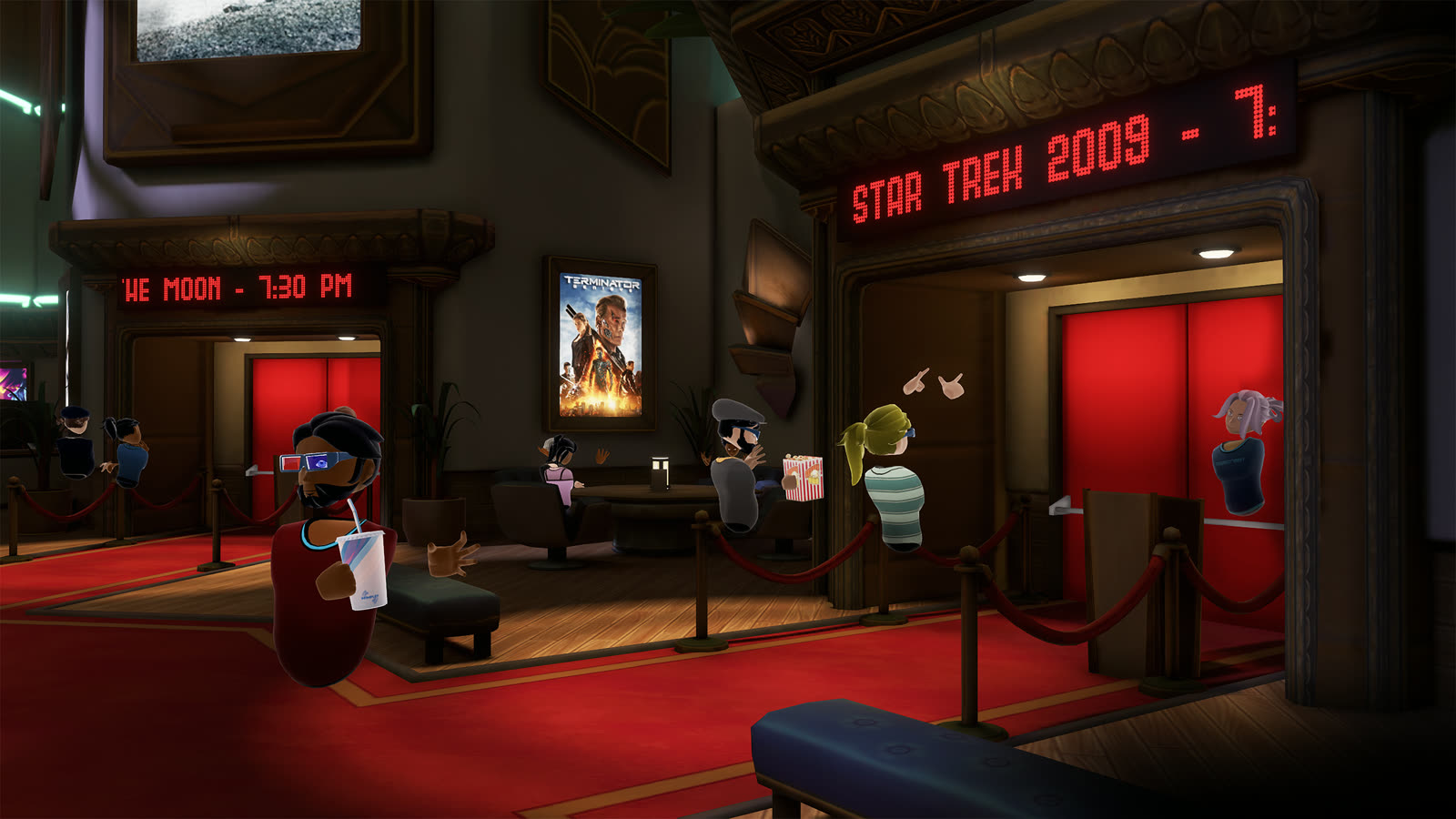
Bigscreen Cinema was the first to bring Hollywood movies in 3D into VR, officially in partnership with major studios like Paramount Pictures and Sony Pictures Funimation.
► Watch the Bigscreen Cinema launch trailerWatch movies together with friends around the world in a social, virtual world. By combining synchronized playback with immersive spatial audio and real-time social presence, we turned an isolating activity into a global event. Whether joining a public premiere with hundreds of fans or hosting a private screening for friends, it wasn’t just about watching a movie, it was about the feeling of actually being there together.


But…
/ Fictional re-creation of a real Bigscreen Discord conversation.
VR headsets were too heavy, limited in resolution, and too compromised.
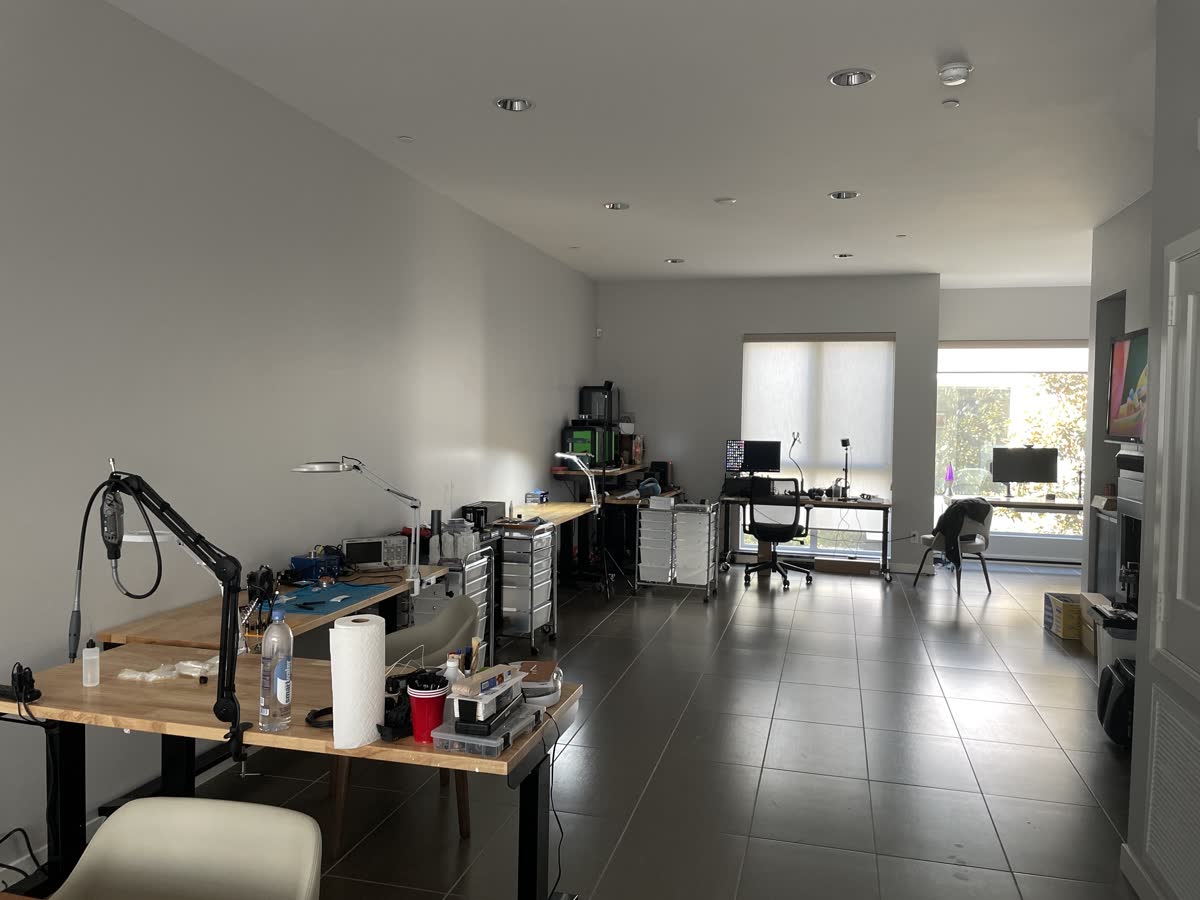
In 2020, the Meta Quest was selling millions of units. Every headset maker pivoted to making standalone headsets. Headsets were getting cheaper and wireless, but had limited resolution and were heavy due to batteries and onboard compute. We decided to build what was missing. Ultra-high resolution micro-OLED displays. Pancake optics. Powered by high-end PC graphics cards, without heavy batteries. We worked in secret for several years. It had no name yet, just a codename: Big Leap.
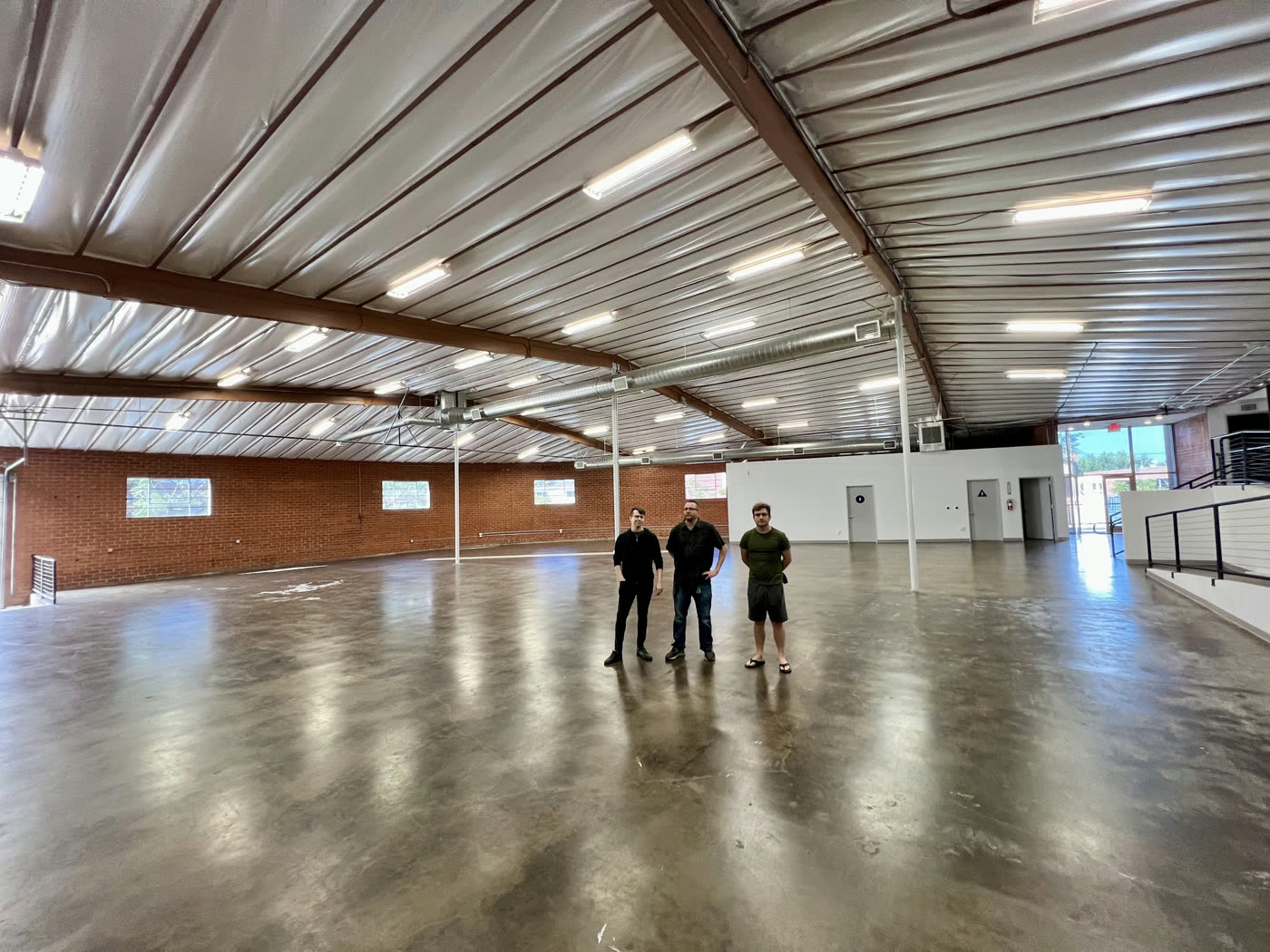
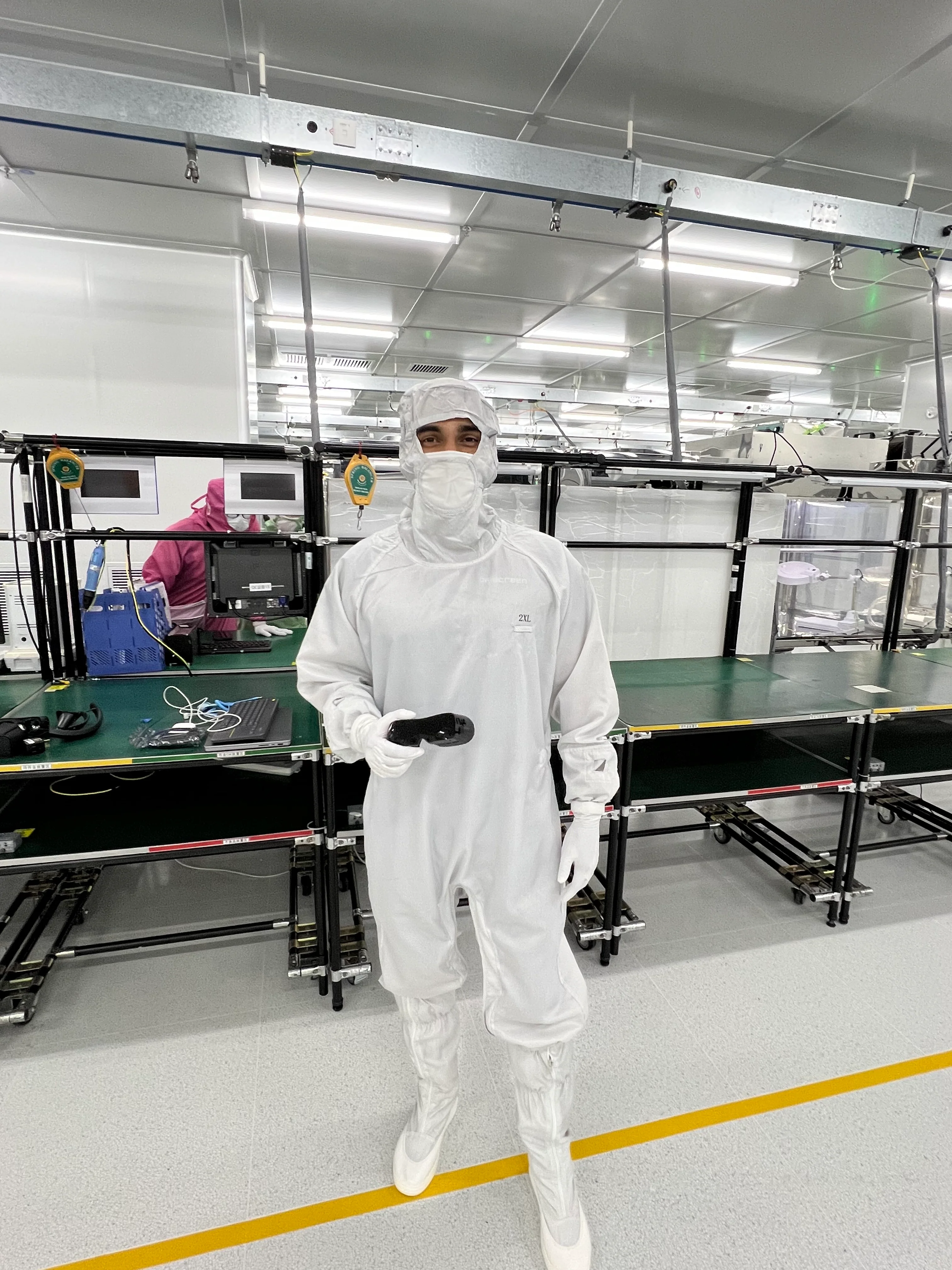
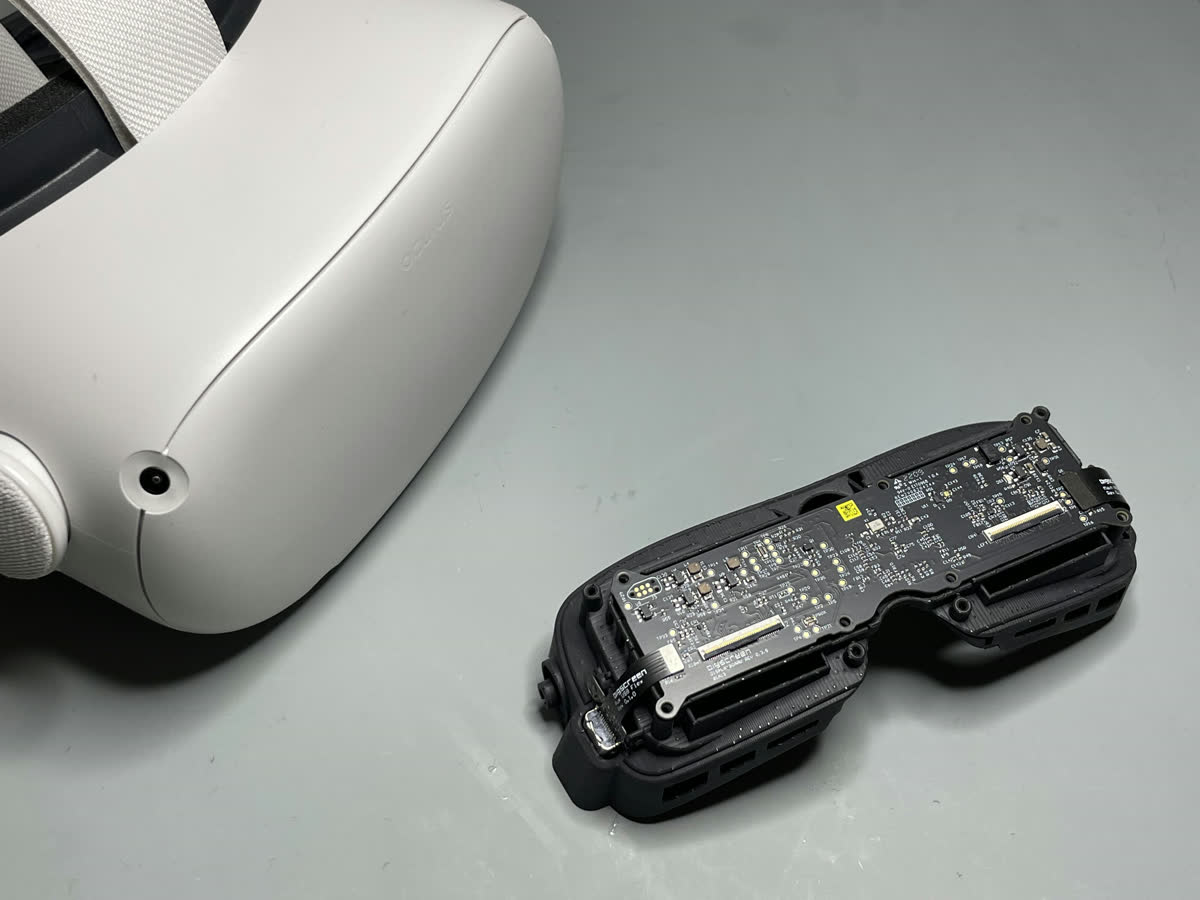
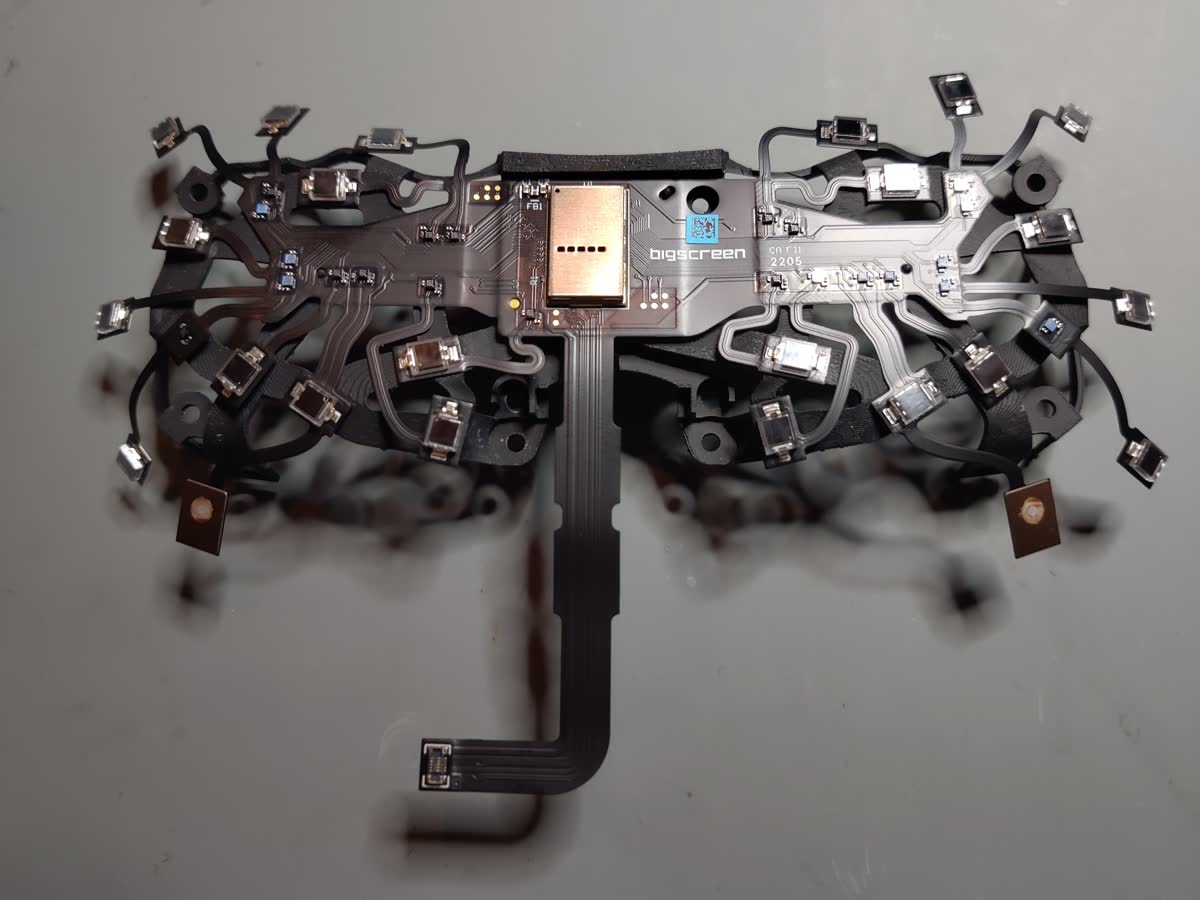
Humble beginnings. 2 years inside a secret R&D office, the team’s hardware lab in LA.
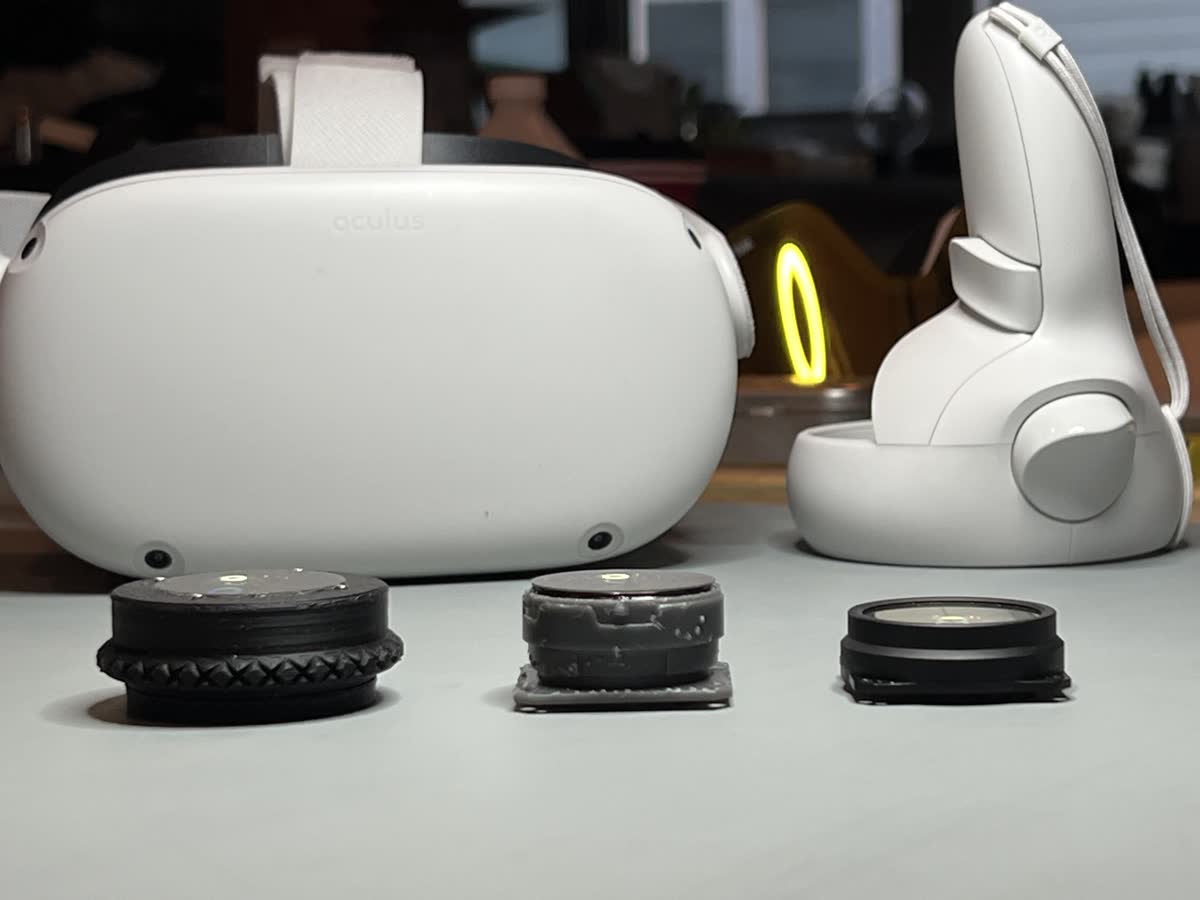
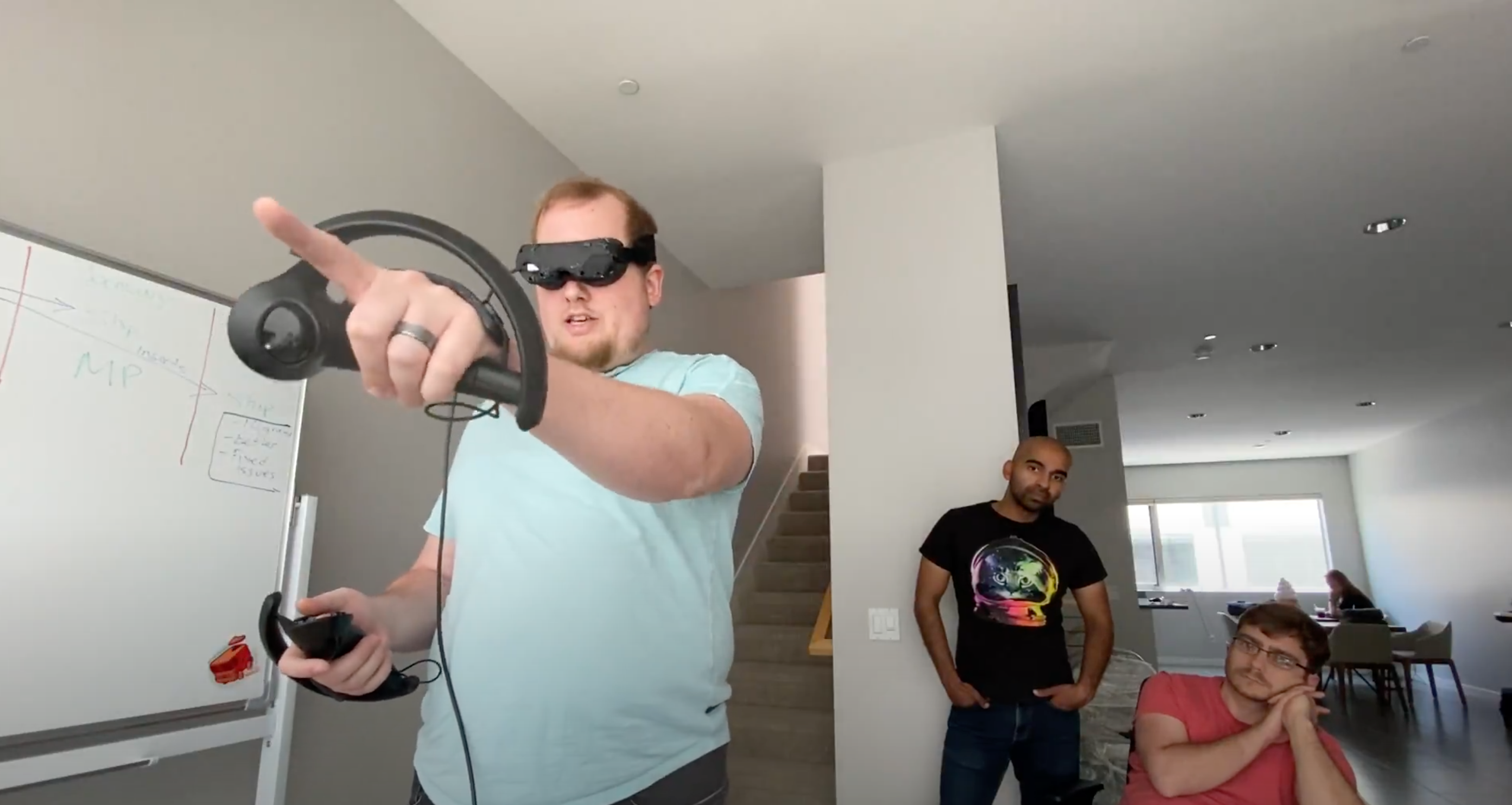
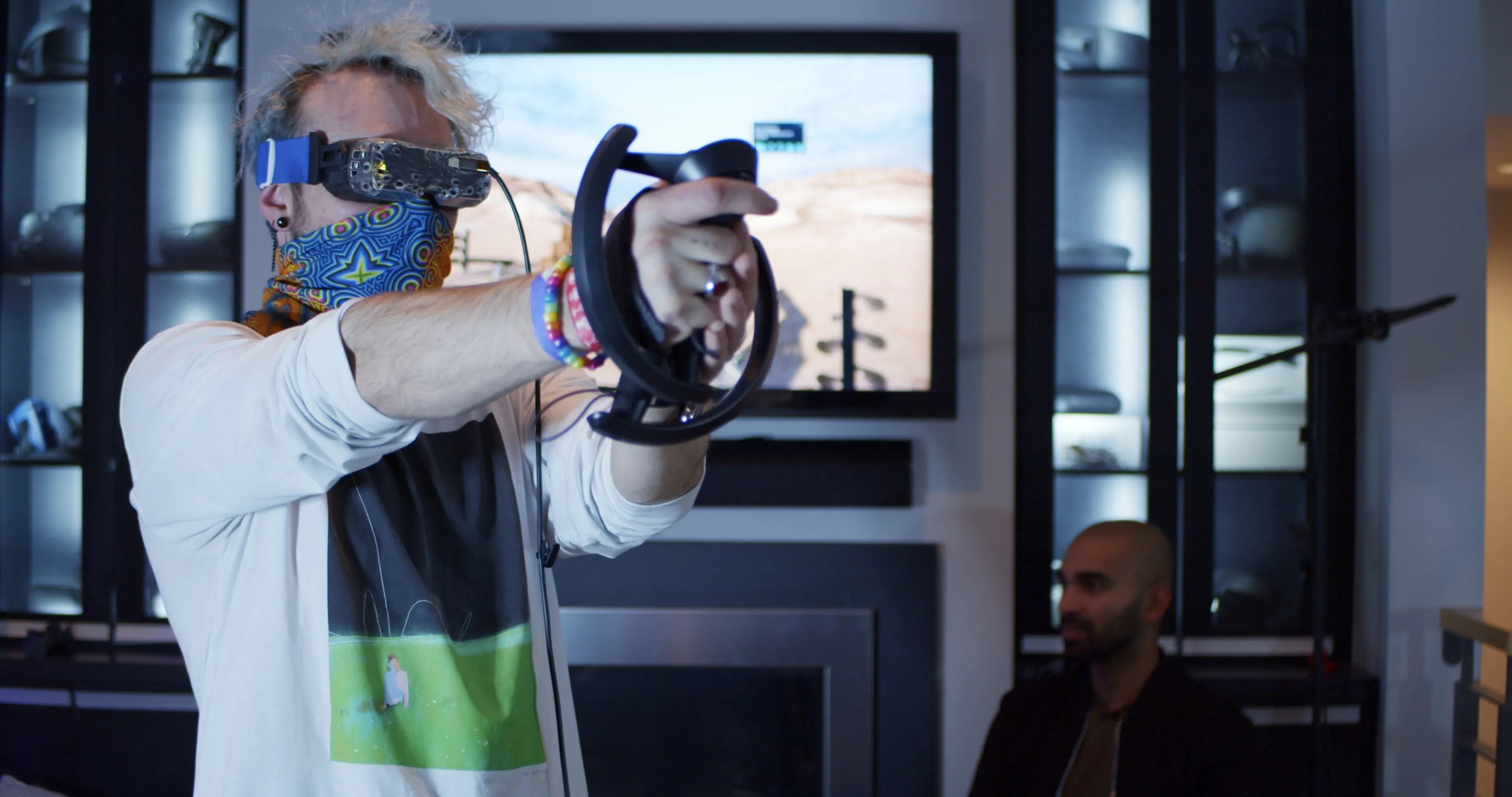
3D-printed shells with exposed boards. Custom optics built and rejected and built again, with single-point diamond turned (SPDT) lenses and CNC enclosures. Each prototype answers one question and surfaces three more. Tested repeatedly with VR developers, enthusiasts, and experts.
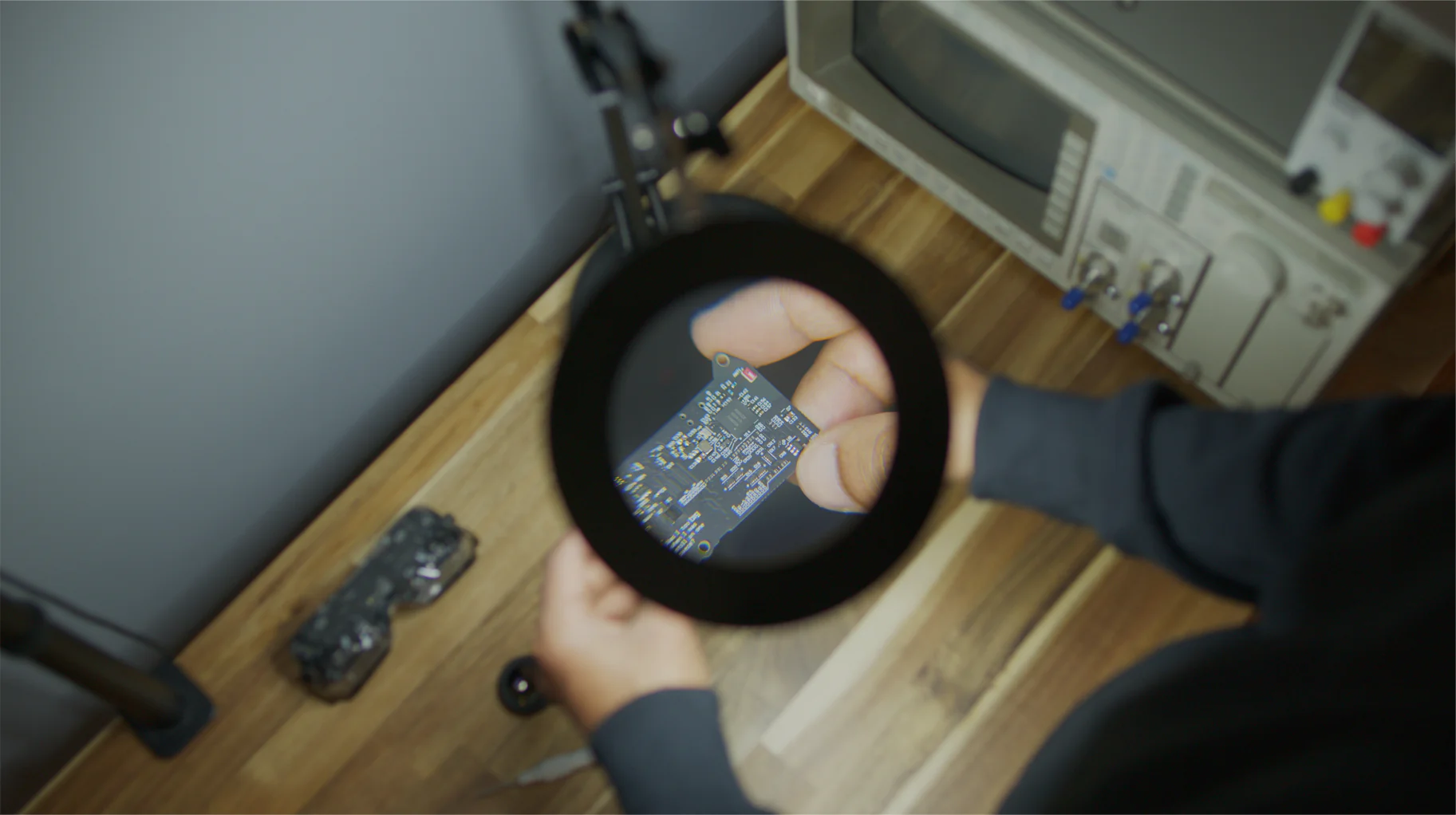
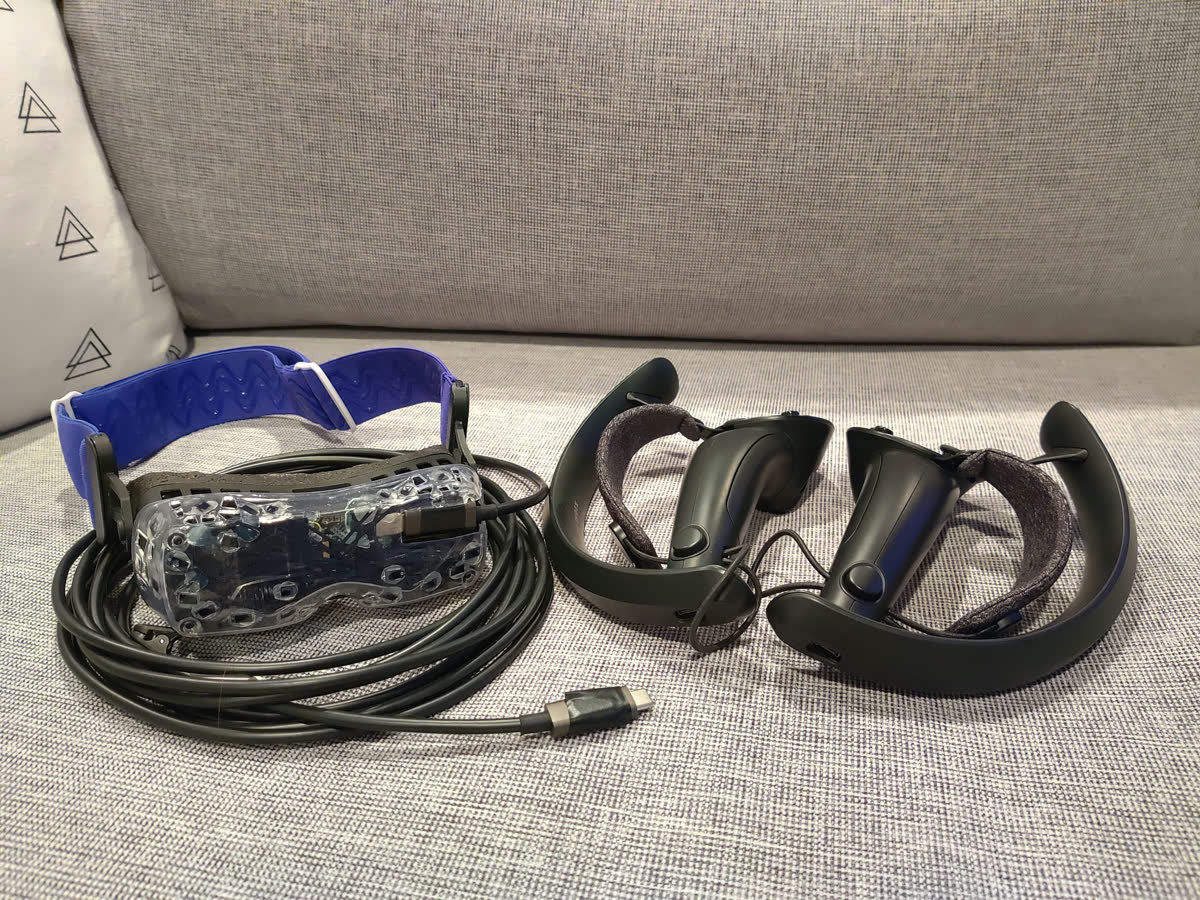
We had one goal in mind: the most comfortable headset in the world, one you could wear for hours on end.
Traditional VR was heavy. Big optics, big displays, a long list of features piled on. We stripped it back to what mattered and rebuilt it from the ground up around weight and size.
Every face is unique, so we built our own factory to create the Custom-Fit Cushion. Using the Face ID sensors on the iPhone, we scan each customer’s face in 3D and manufacture a custom cushion. The result is a super-comfy, perfect fit that puts you right in the sweet spot automatically, with no light leakage, a cushion you could wear for hours and hours on end.
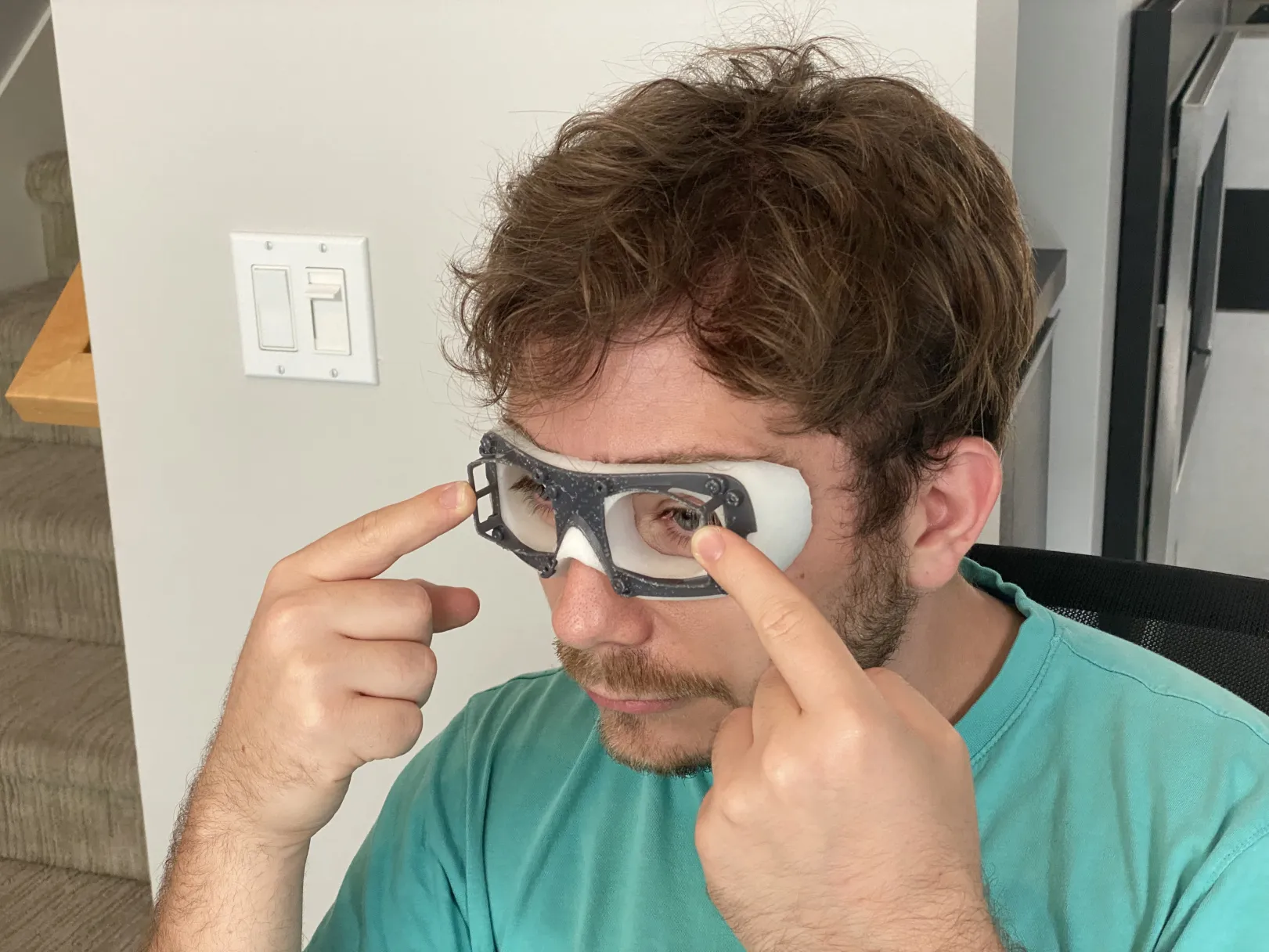
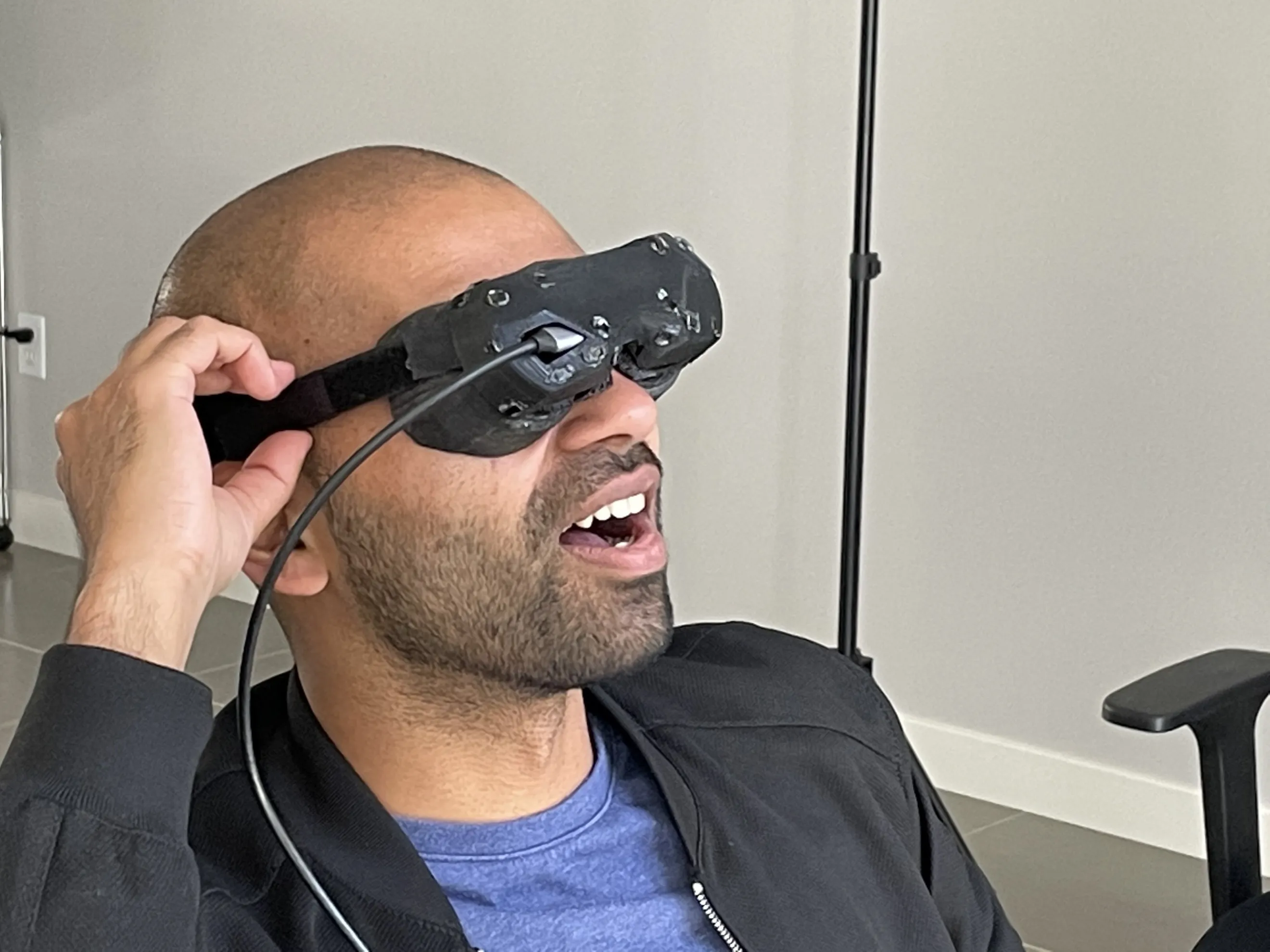
Before Beyond shipped, it was tested. By engineers, by VR developers, by hand-picked early testers.
Every feature battle tested. Every complaint listened to. Paying close attention to comfort and visual fidelity. The headset that launched in February 2023 had already been through hundreds of test sessions.
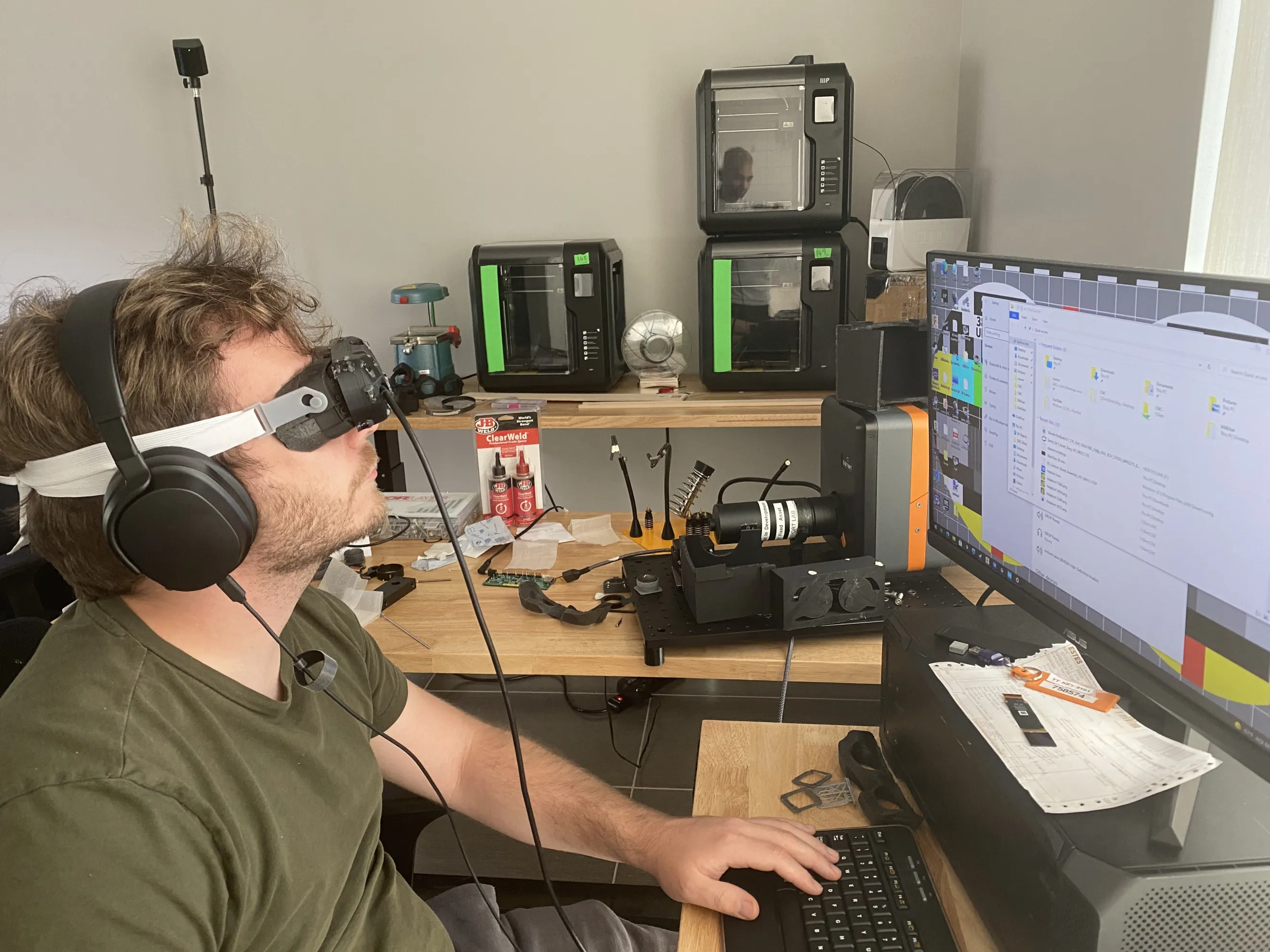
“After two weeks of daily wear, I forgot it was on my face.
Early tester · Tokyo
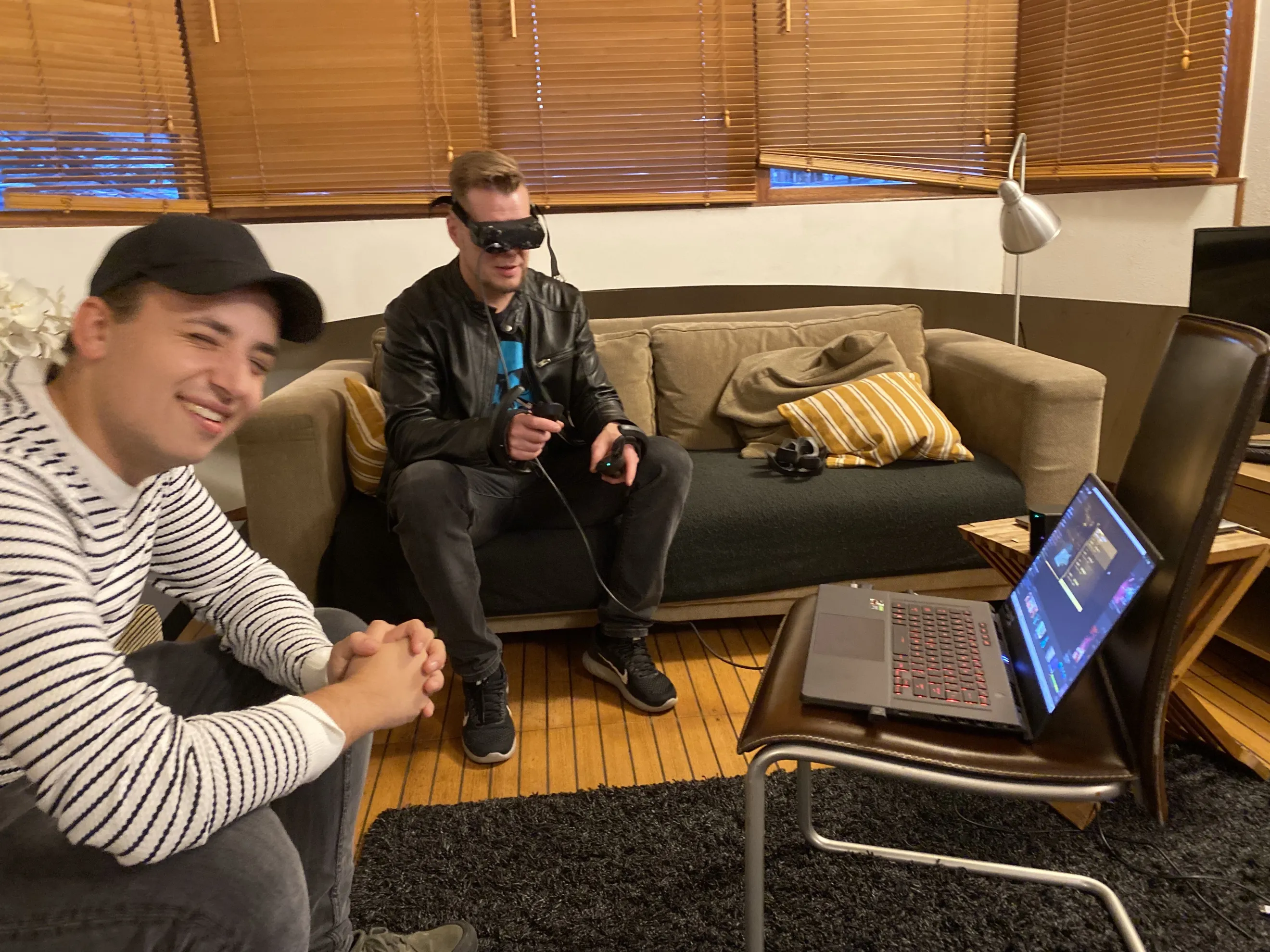
“Every prototype came back with a sticky-note novel of feedback.
R&D engineer · Bigscreen
“I shipped my own cushion mold to LA. The next pair fit perfectly.
Early tester · Berlin
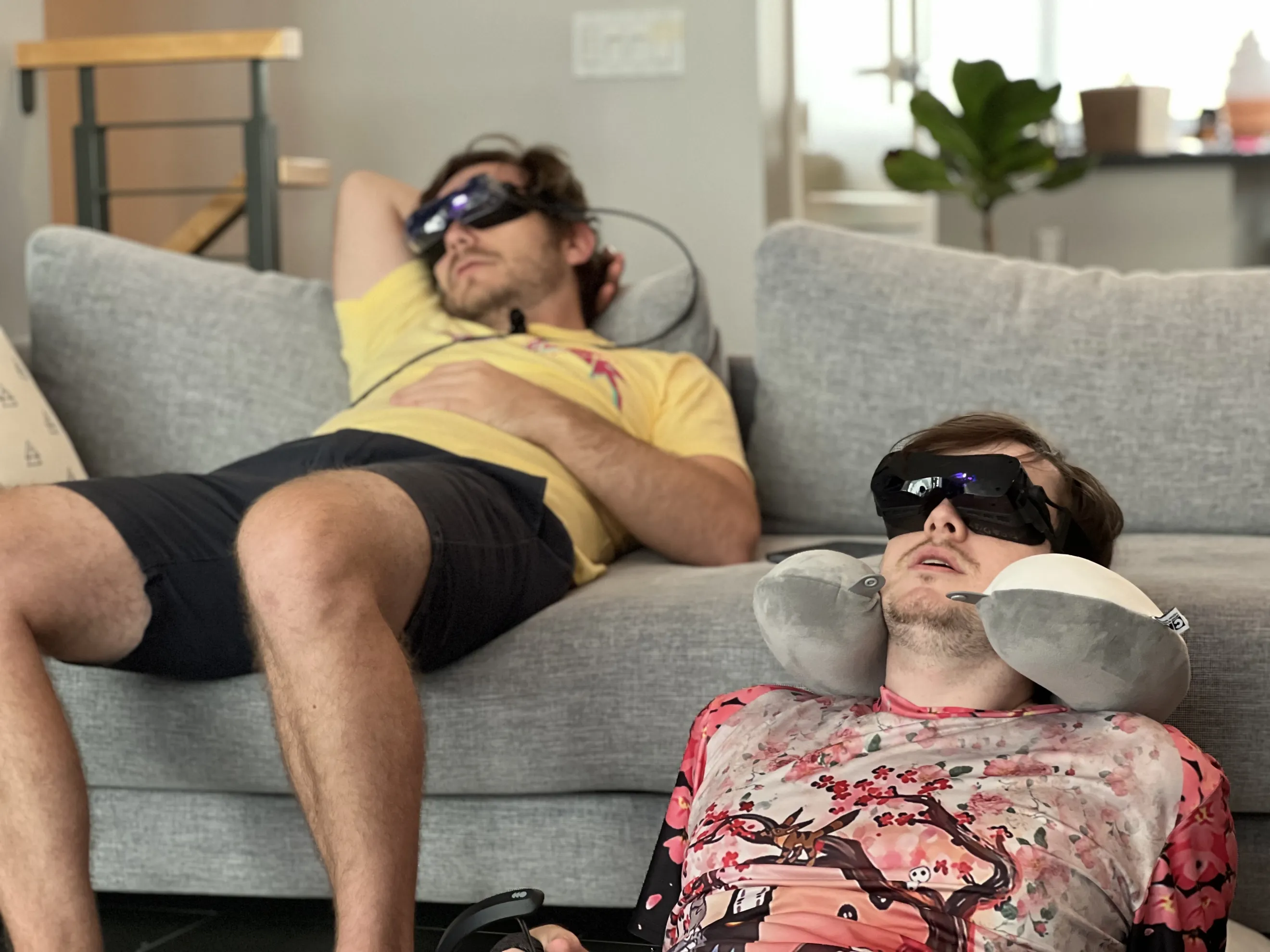
“Lighter than my swim goggles. We knew it was different.
Early tester · San Francisco
The world's smallest VR headset.
A software startup, daring to take on the giants of VR hardware. Bigscreen Beyond caught the industry off guard: dual 1-inch micro-OLED displays at 2560×2560 pixels per eye, custom pancake optics, SteamVR tracking. Tethered to a PC, custom-fit to the user's face, priced at $999. Within 48 hours, the reveal trailer crossed a million views.
Press picked it up the same day; reviewers were hands on within weeks.
From The Verge to Tom's Hardware to Linus Tech Tips, the message was the same: this thing is real, this thing is small, and nothing else in PC VR feels like it.
“Bigscreen Beyond feels like a prop for a futuristic movie, but it works. Far and away the smallest and lightest PC VR headset.
John Carmack · Former CTO, Oculus

 “Bigscreen's new VR headset goes small.”
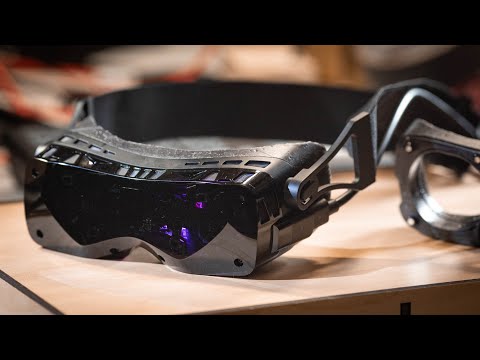
 “A little headset that could be a big deal.”

 “Exceptional comfort, in a headset like no other.”

 “Gunning for the VR throne.”

 “Said to be the world's smallest VR headset.”

 “Hands-on with the world's smallest VR headset.”

Pushing the limits of high-end PC VR.
Through 2024, our lab focused entirely on the core technology. We designed new pancake optics with cutting-edge manufacturing techniques to achieve a wider field of view and sharper visuals. Eyetracking and adjustable IPD were a significant technical accomplishment. A year of refinement, turning every piece of user feedback into better hardware. And, we made it even lighter.
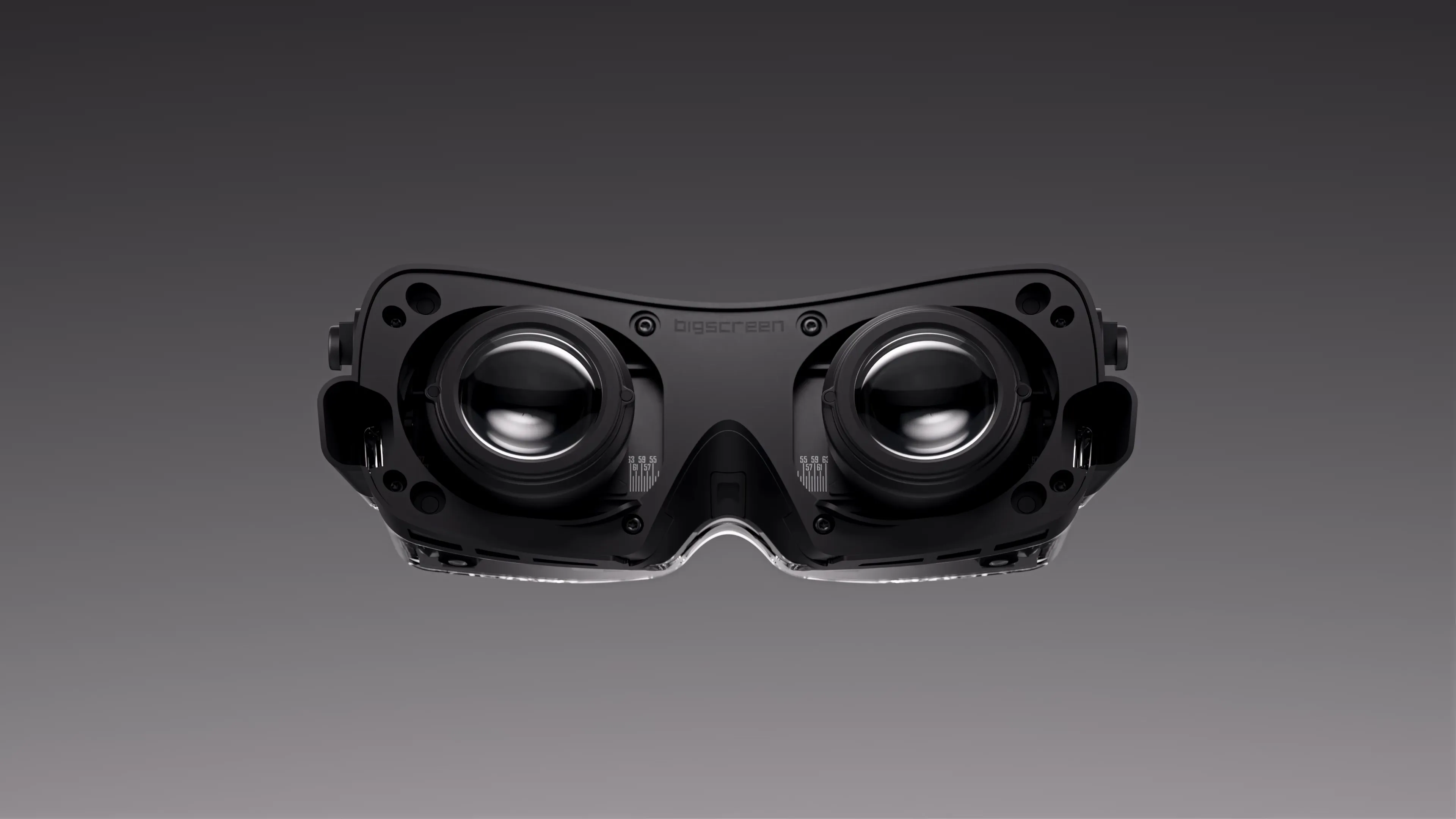
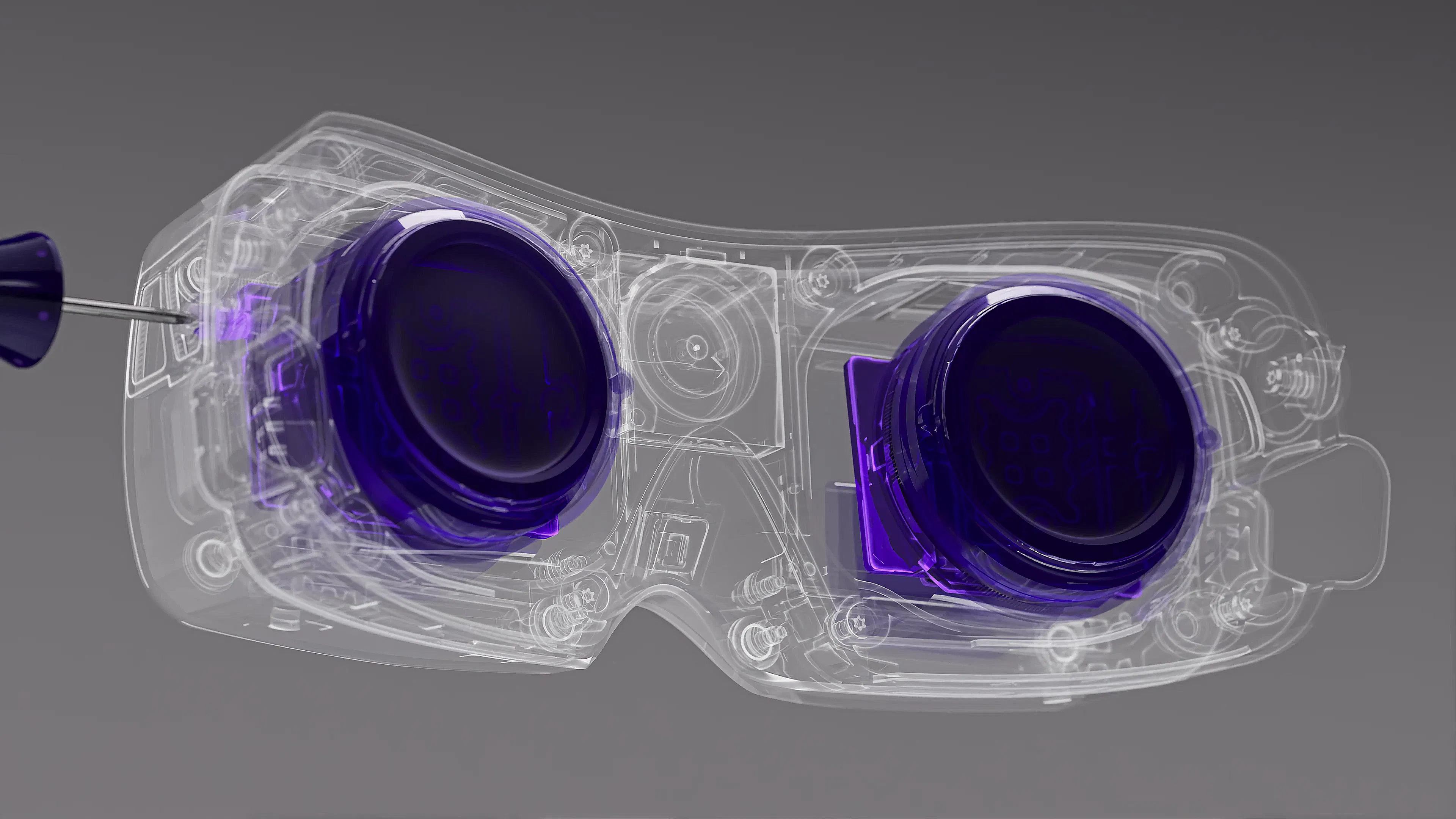
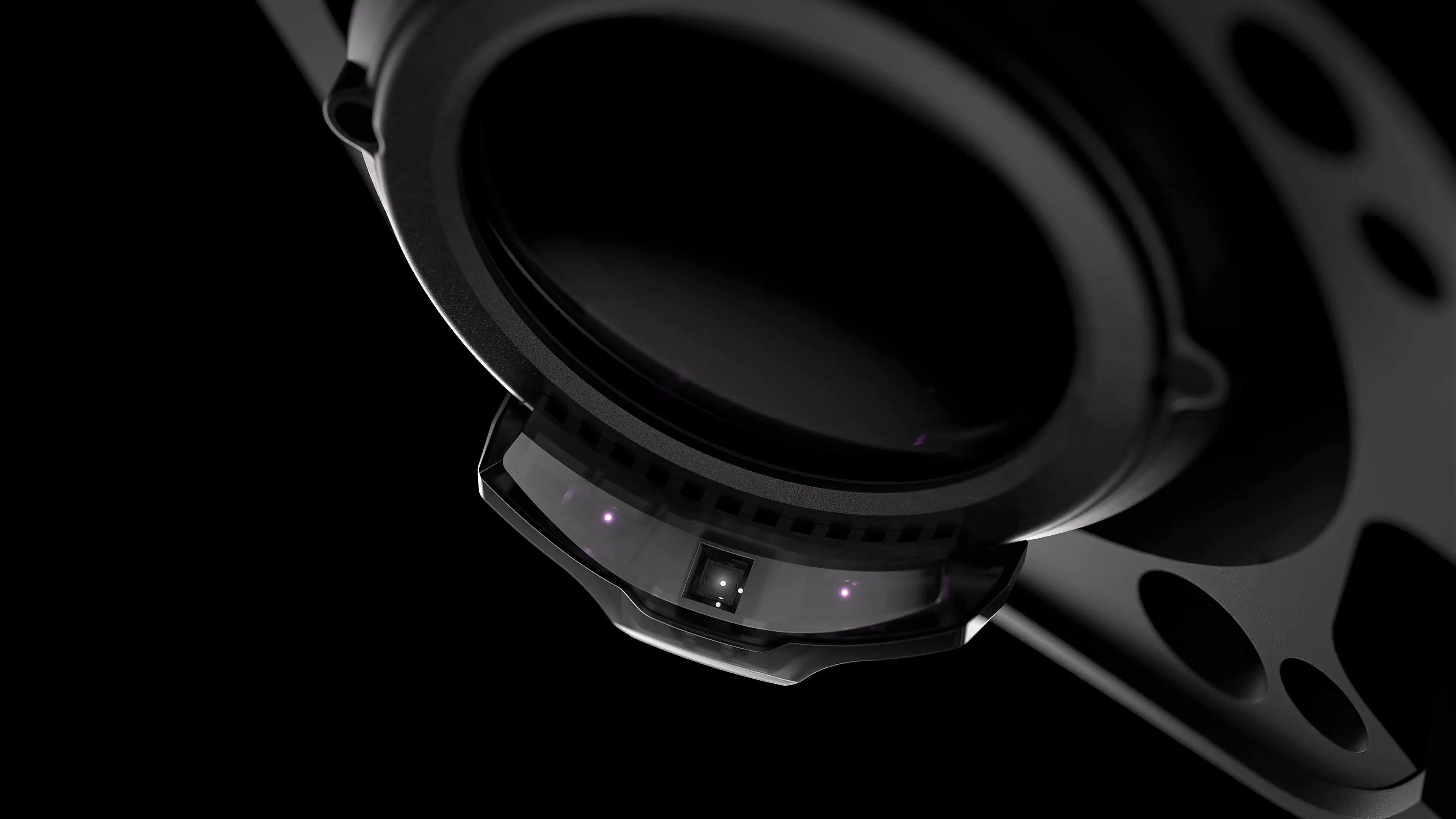
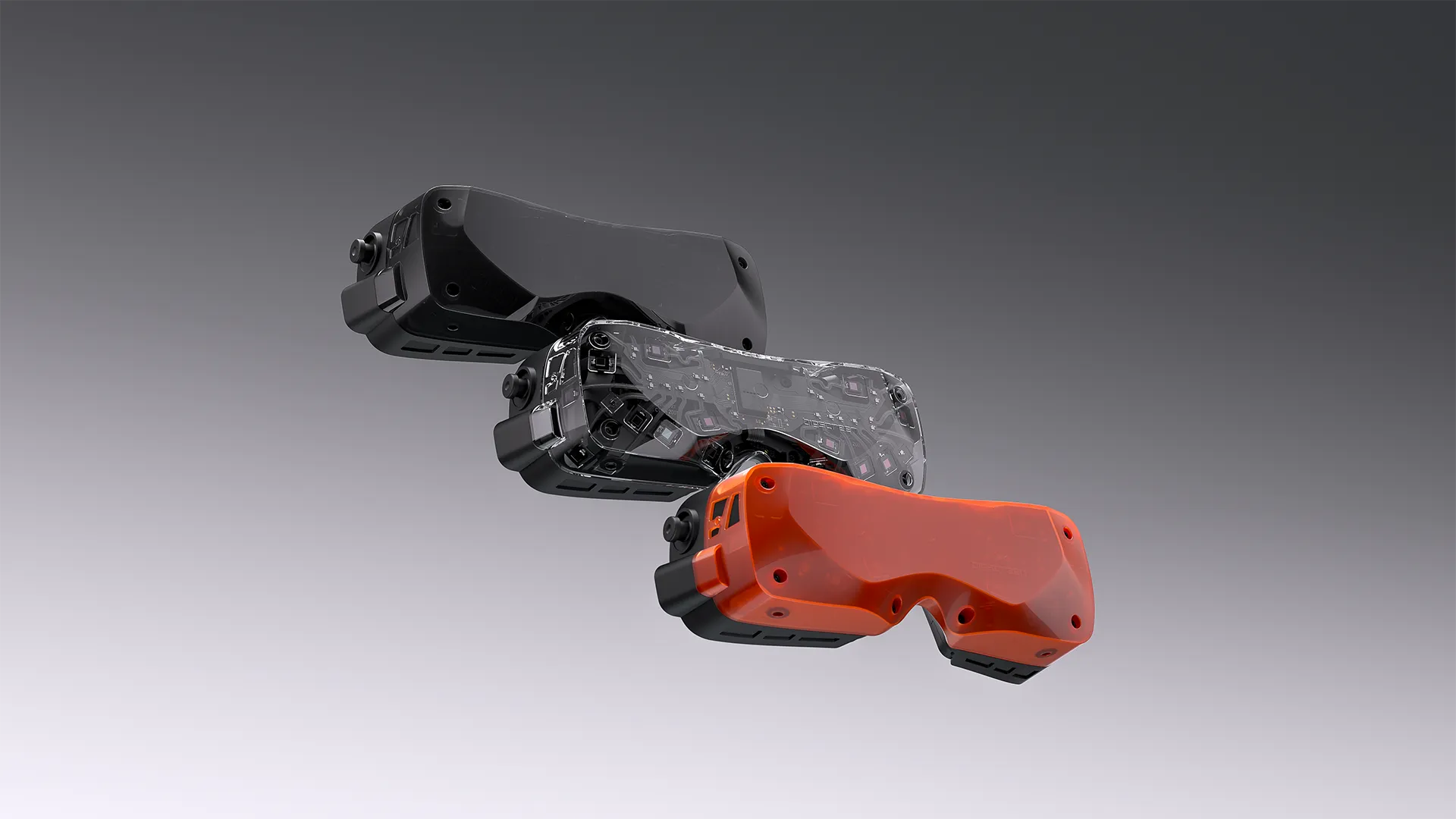
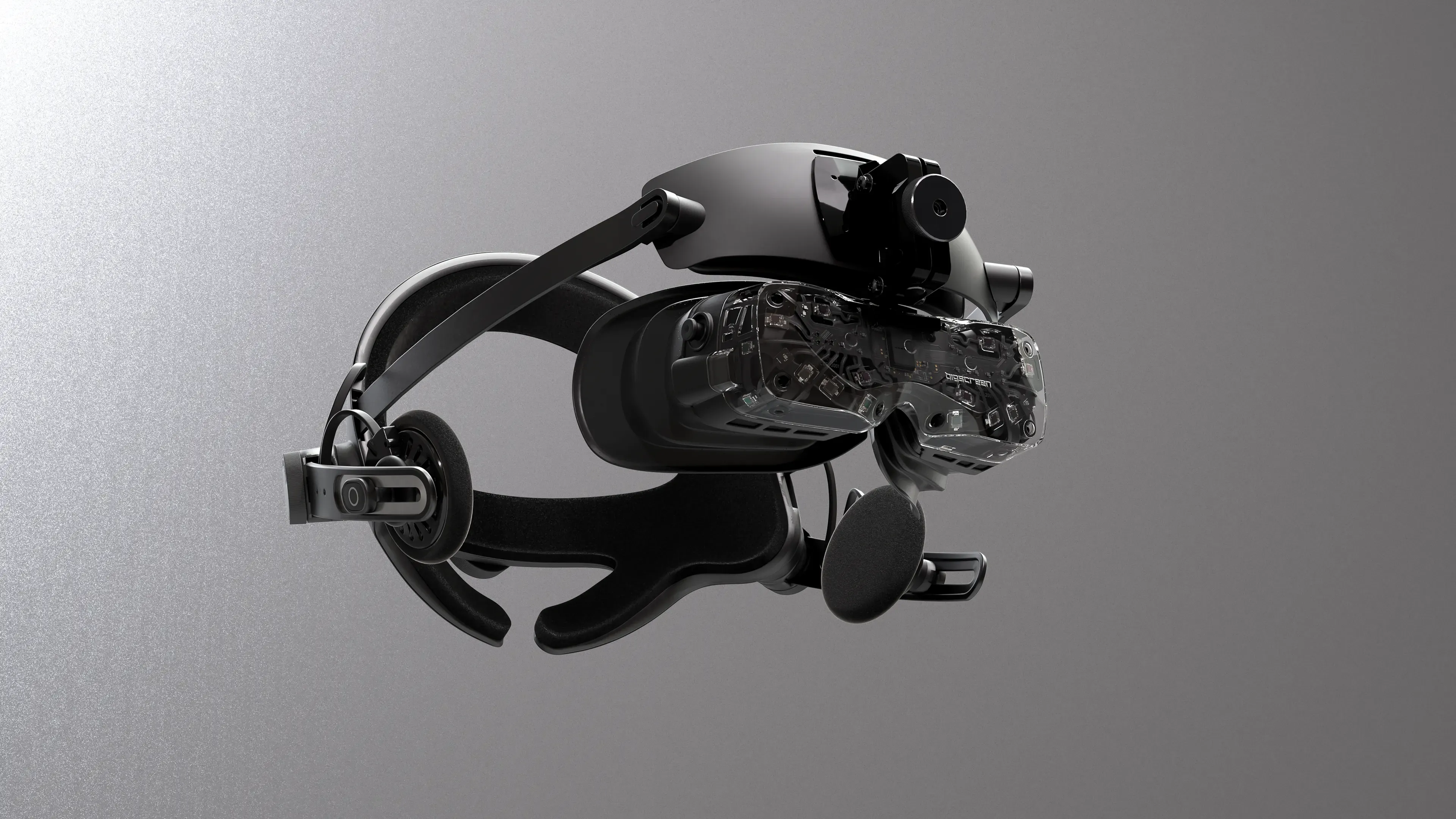
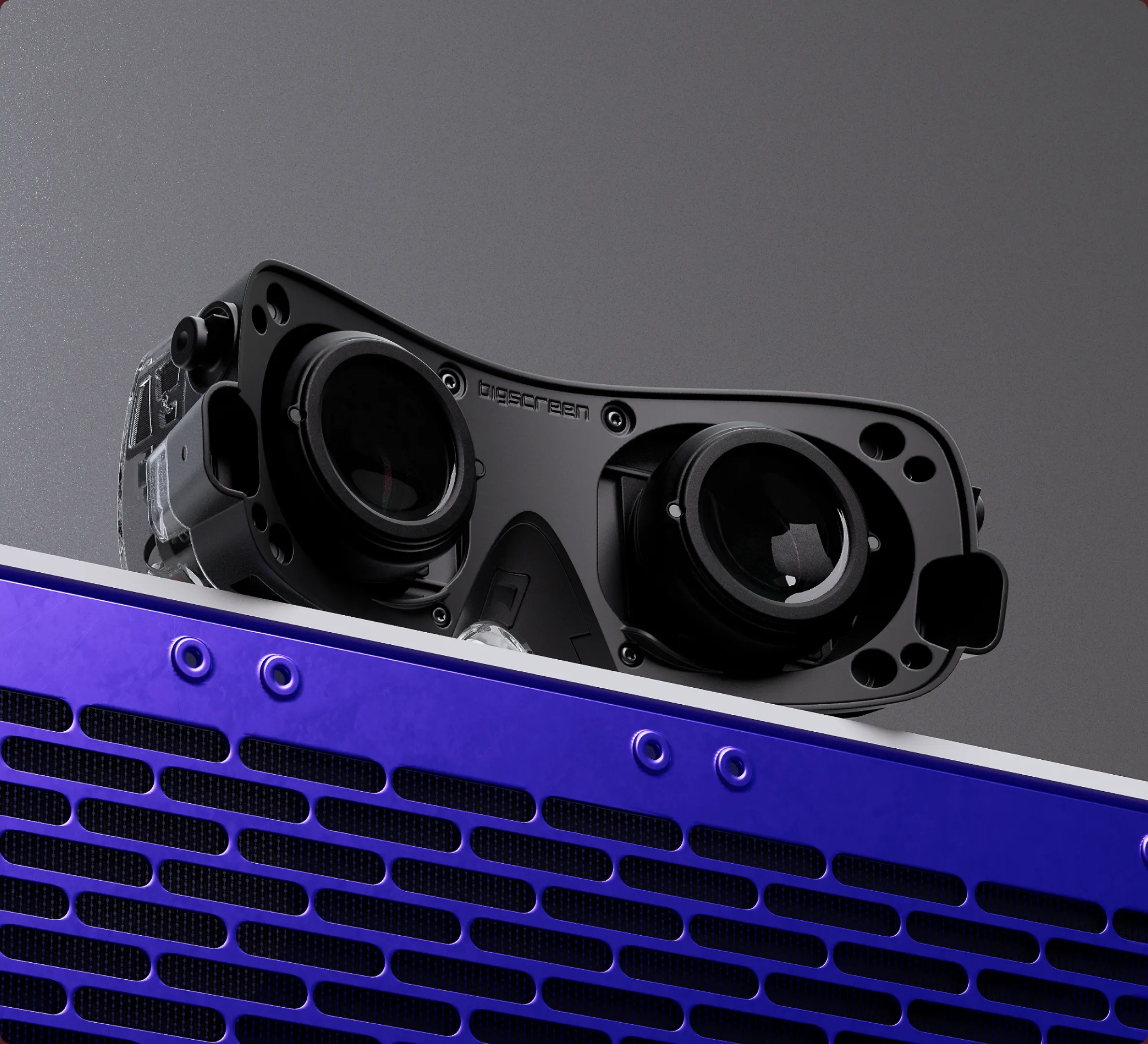
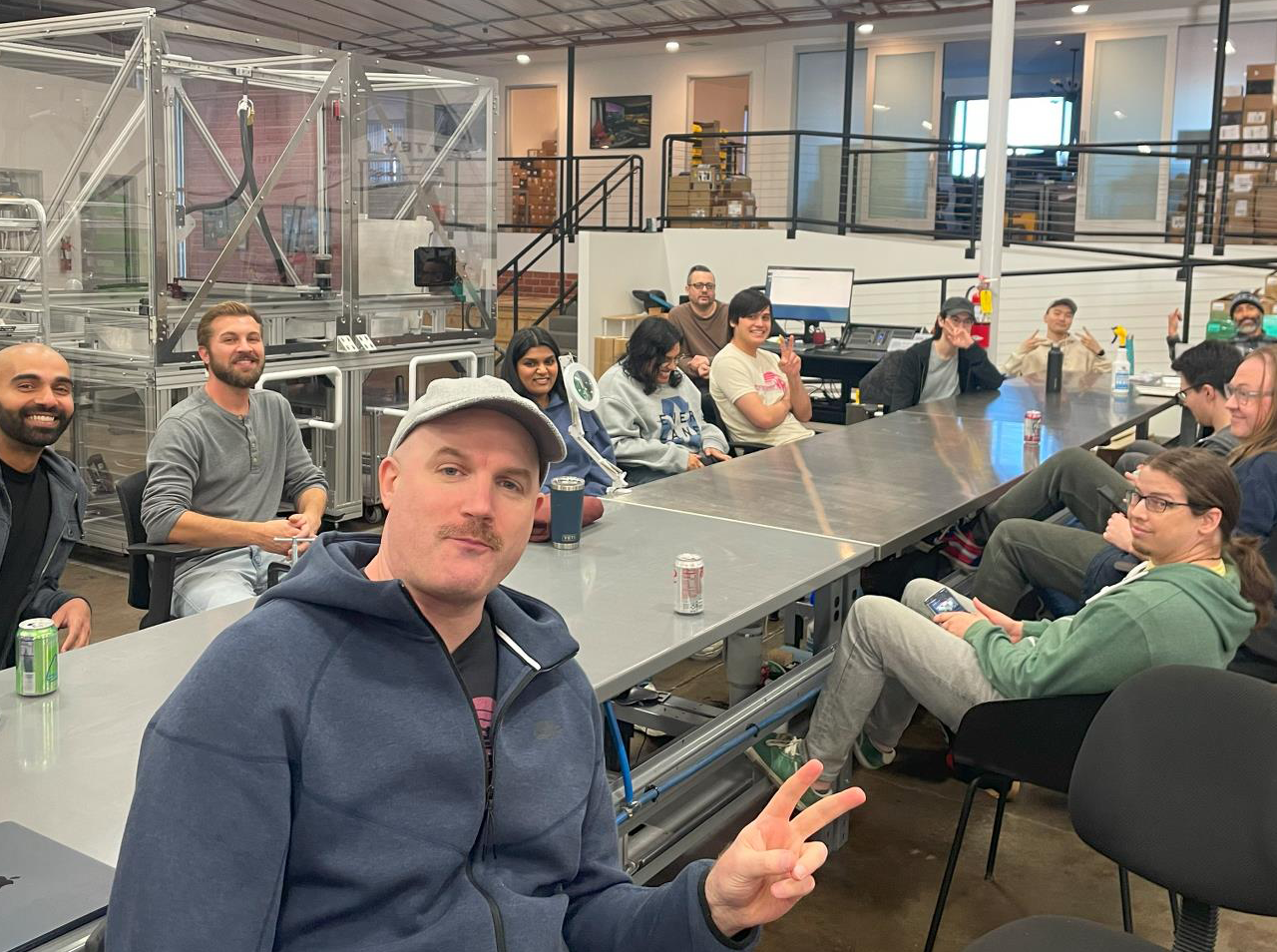
Engineers, specialists, technicians, joining from hardware companies across the US and Europe to build something ambitious VR technology.
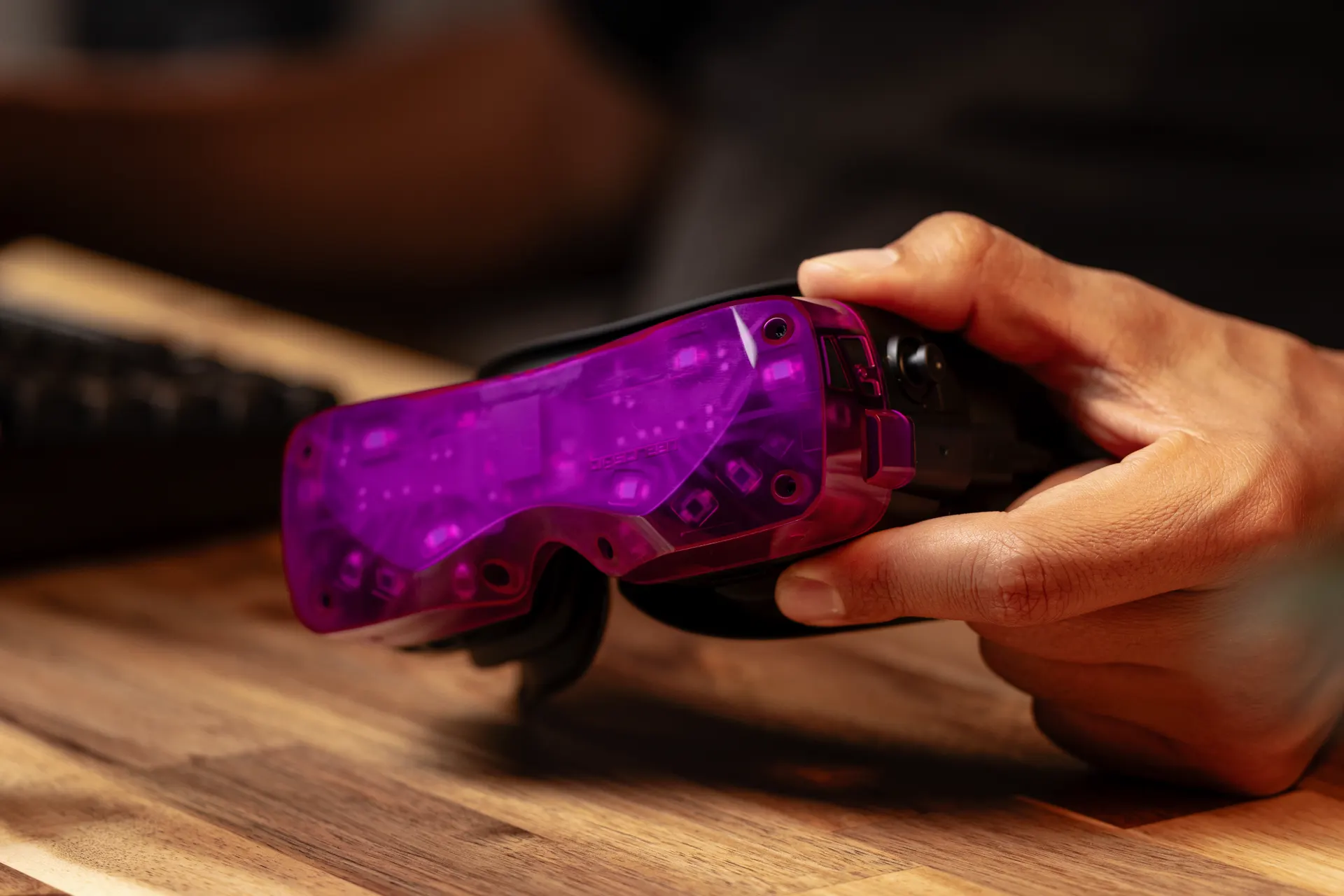
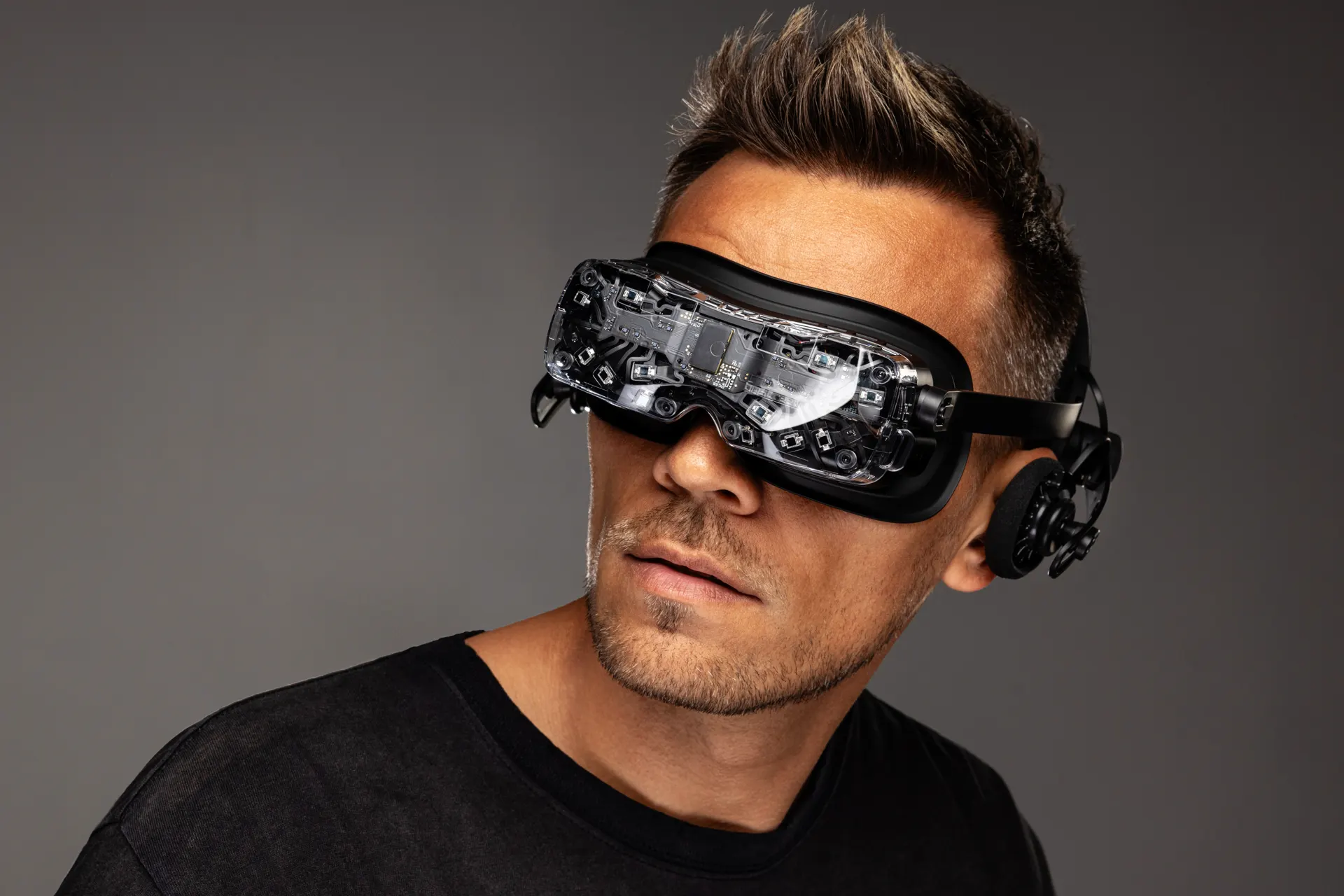
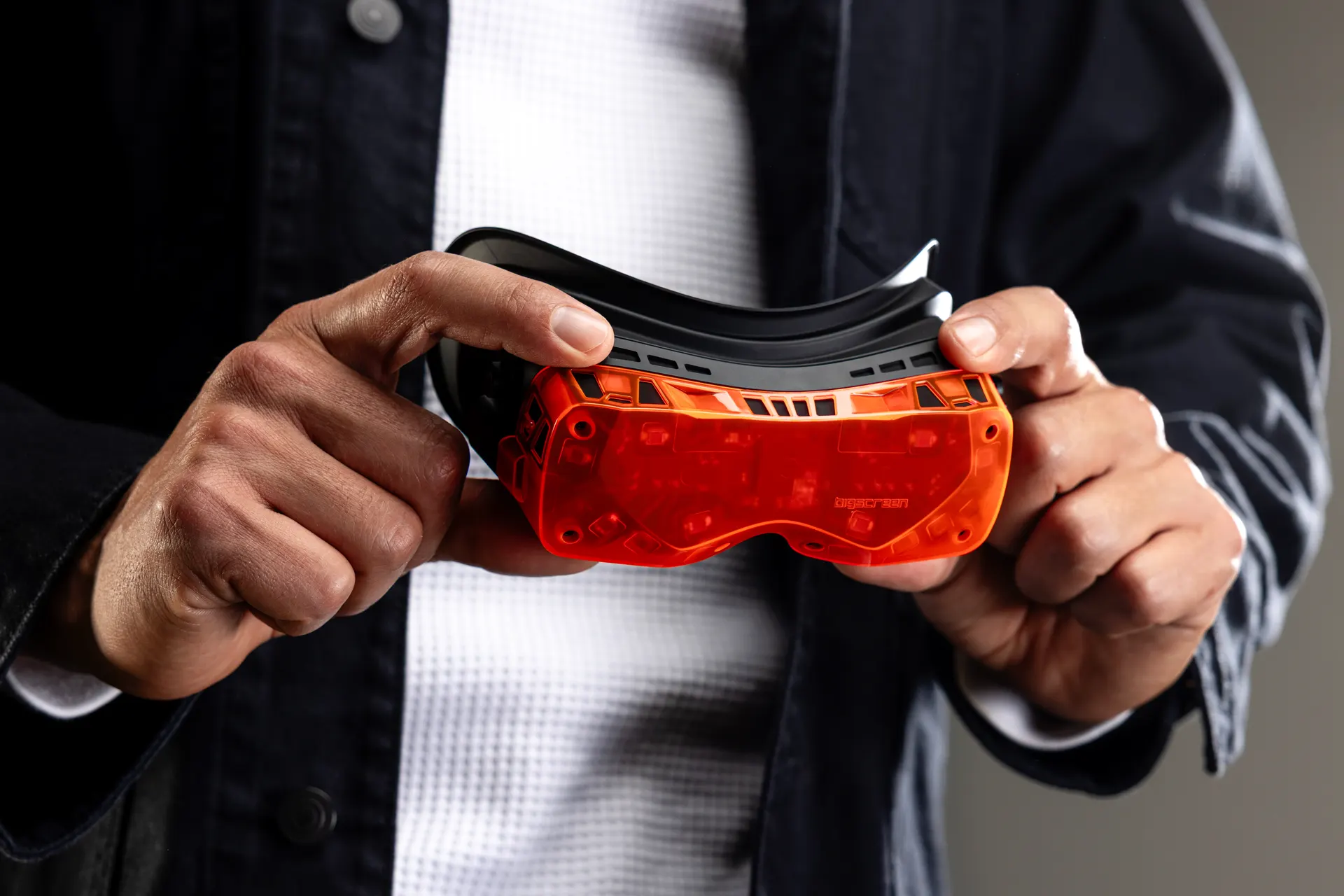
March 2025. The same obsessive customer-focused engineering, with two years of iteration. The ultra-light form factor with a wider field of view, and next-gen optics.
► Watch the launch filmOn launch day, Beyond 2 sold as many headsets as Beyond 1 did in its entire first quarter.
Thousands of headsets in thousands of homes, on every continent.
And we’re thrilled to see the community reaction.
My passion for VR started in 2012 when I received my Oculus DK1. I still have vivid memories of the “Tuscany” demo and playing Half-Life in VR. After the delivery of the DK2 in 2014 (Oculus’s first headset with positional tracking), I started Bigscreen with a vision of using Virtual Reality to enable people to watch movies, play games, and use their computer together with friends around the world. A shared virtual space with screens at the center of it. For the past 12 years, I have spent every day – nearly my entire adult life – working on VR. Why?
Virtual Reality is tangible magic. We have the power to trick the human mind into believing it has teleported to a different space, like a fully digital world or even an augmented version of our real life with mixed reality. It lets us visit fantastical places, hang out with friends across the world, re-live spatial memories, and play games with an immersion no flat screen can match.
10 years ago, we launched our first product, the Bigscreen app on Steam. It first supported the Oculus Rift and HTC Vive, and over the years, we expanded to support many other headsets such as Windows Mixed Reality, Valve Index, and the Meta Quest. Since then, millions of people around the world have used Bigscreen to watch their favorite movies and TV shows, attend live events like SpaceX rocket launches and UFC fights, and create lifelong friendships. We launched partnerships with major movie studios like Paramount Pictures, and watch parties for movies like Ready Player One.
In 2020, we took our learnings from our VR software and embarked on an ambitious mission to build new VR hardware and solve the painful limitations of VR that we experienced. We launched our first hardware product, Bigscreen Beyond, in 2023 and quickly followed with an improved Beyond 2 in 2025.
It’s an interesting time to reflect on the state of the Virtual Reality industry. VR in 2026 is smaller than the hype cycle of 2016 promised. The industry is challenging and it has been painful to watch many VR studios shut down. At the same time, VR is unquestionably here to stay. Millions of gamers use VR every month, hanging out in VRChat and playing sims like iRacing. VRChat continues to break concurrent user records, and VR continues to quietly grow. On the hardware side, standalone headsets like the Quest sold millions of units and brought VR to people who’d never have bought a gaming PC before. The passionate PC VR enthusiast community has been underserved by mass-market hardware for years, which is one of the reasons we created Bigscreen Beyond.
A year ago, we started shipping Beyond 2: 107 grams, dual 1-inch micro-OLED displays with 2560 by 2560 pixels per eye, an ultra-wide 116° diagonal field of view, and SteamVR tracking. In the first ten days, Beyond 2 outsold Beyond 1’s entire first year. It took nearly a year to catch up to overwhelming demand. Earlier this year, Beyond started shipping quickly, often shipping within the same day. After years of development and two generations of consumer electronics, we’ve now shipped more than 50,000 orders to 50+ countries around the world.
I’m proud to say Bigscreen is in a great position. We have a passionate community of VR enthusiasts that love our products, built by a small team with deep expertise in VR, across optics, mechanical engineering, electrical engineering, software engineering, and computer vision. Bigscreen is now a profitable business with annual revenue growing ~3X, allowing us to keep building our vision for VR in a sustainable manner for the years to come. We’re putting every dollar back into R&D to drive an ambitious and exciting roadmap.
Thanks for being part of the last ten years. We wouldn’t be here today without the support of the VR community, from the people who tested Beyond back in 2021, to the earliest customers who preordered the Beyond 1 and 2, and the 16K+ members of the Discord community helping new owners get set up. There’s a lot more to build, and I’m excited to see what the next ten years could bring us.
–Darshan Shankar, Founder & CEO, Bigscreen
127 grams. Less than an inch thick. Six times lighter than the headsets it competes with.
Dual 1-inch micro-OLED displays at 2560×2560 per eye. Custom pancake optics. SteamVR tracking. Tethered to a PC, custom-fit to the user's face, priced at $999. The reveal trailer hits a million views in 48 hours.
Tested. LinusTechTips. Optimum. The Verge. Road to VR. Forbes. They show up. They put it on. They don't take it off.
The reviews don't compare Beyond to other headsets. They compare it to a sci-fi prop that shouldn't exist yet. Coverage that money cannot buy, written by people who buy hardware for a living.
Production scales to eighty units per hour. Every unit is custom-fit to the customer who ordered it.
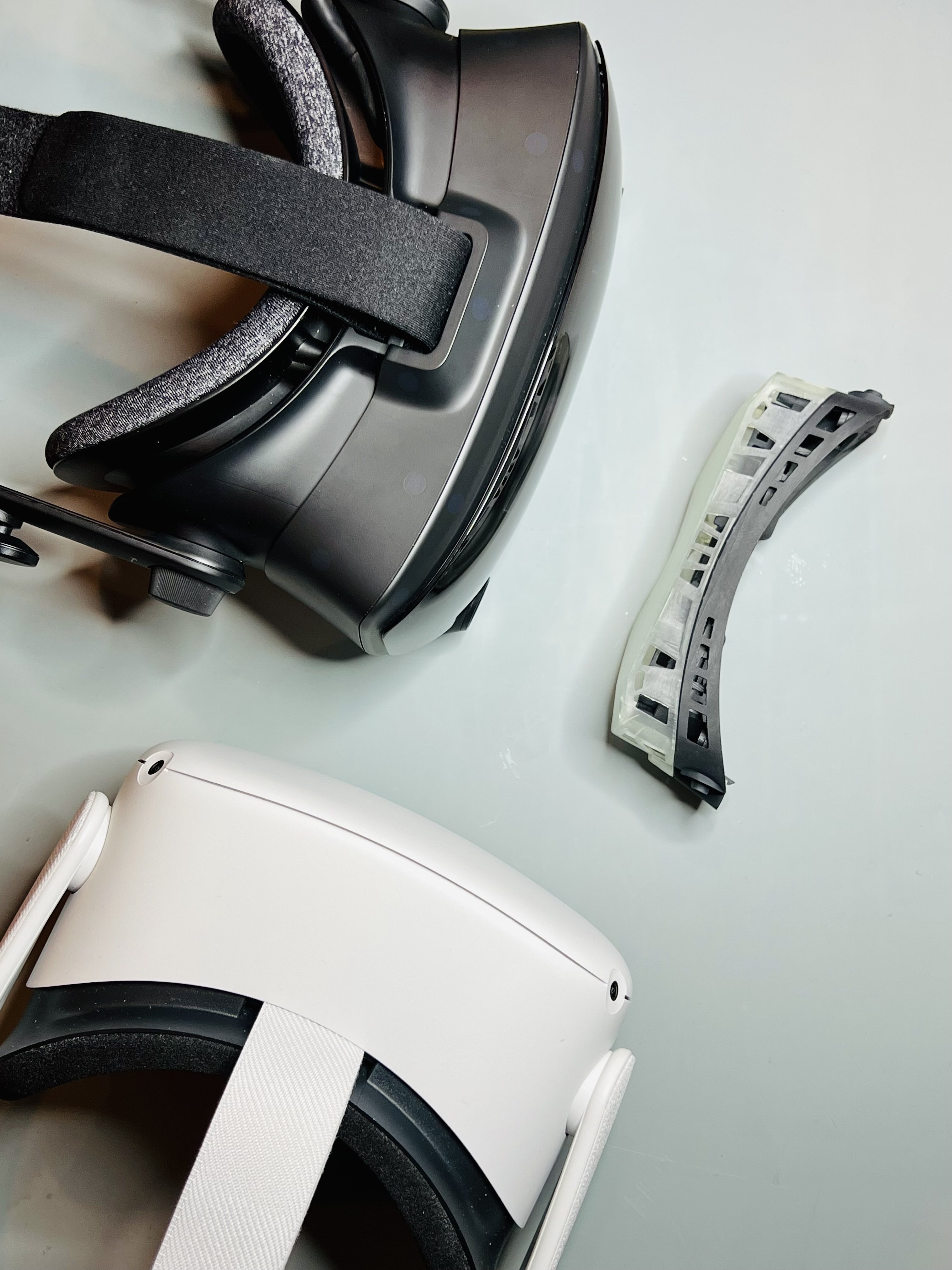
Photos start showing up on Reddit. On X. In Discord. People wearing Beyond at home, at LANs, at sim rigs, at flight sims. The headset becomes a cult object, small enough that owners frequently take photos of it next to other VR headsets to show how absurd the size difference is.
107 grams. New pancake lenses. Wider field of view. Edge-to-edge clarity.
A separate variant, Beyond 2e, adds eye tracking. A halo-style mount inspired by night vision goggles ships alongside. Beyond 2 sells as much in its first 24 hours as Beyond 1 did in its first six months.
The Audio Strap. The Halo Mount. Replacement lightseals. Beyond 2e. The line widens.
Bigscreen stops being a single-product company. The Beyond ecosystem gives users a way to configure their headset for sim racing, for VRChat, for productivity, for cinema. The team grows past twenty. Manufacturing capacity doubles. Lead times shrink from months to weeks. The unreasonable focus on weight, comfort, and clarity stays unreasonable.
A small, profitable, fully-remote company. Two products. A devoted customer base.
Six million users have spent time inside Bigscreen. Beyond is on its second generation. The team is still small. The mission is unchanged: make VR feel weightless. Make a place worth showing up to.
Lighter, sharper, more comfortable, more places, more reasons to come back.


